
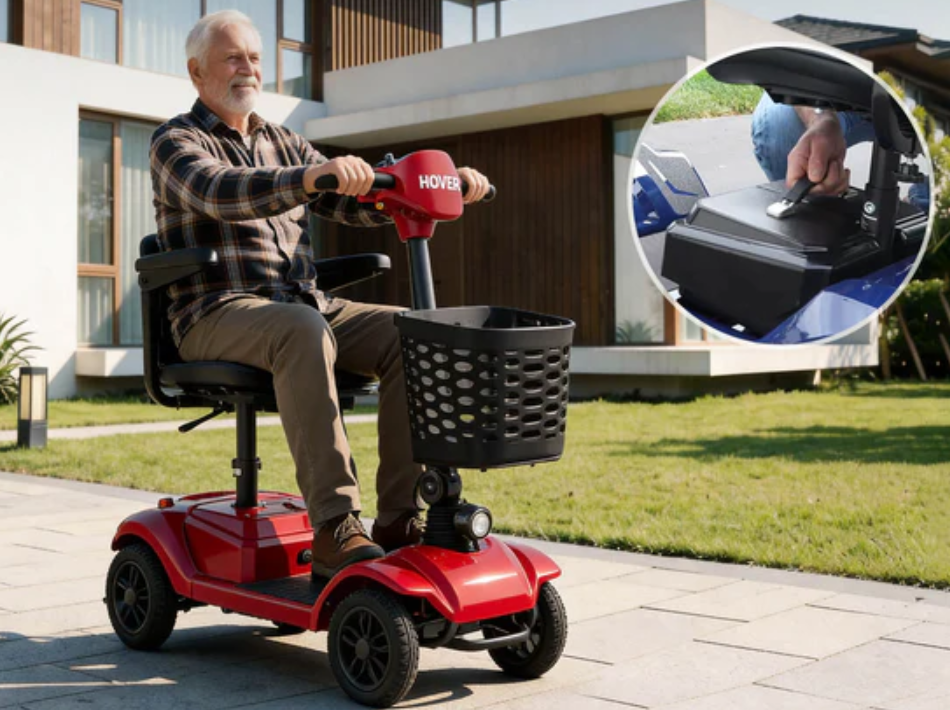
The best mobility scooters for adults are the ones that fit daily routines—where you ride, how much comfort you need, and how far you usually travel. The right choice is rarely about speed or power. It’s about whether the scooter feels stable, comfortable, and easy to live with day after day.
Many adults choose scooters because walking longer distances feels tiring, uncomfortable, or unpredictable. Some need extra support after an injury. Others want to conserve energy while staying independent.
This guide explains the main scooter types, what each one is best for, and how to choose a scooter that fits your lifestyle—not just today, but months and years from now.
What Adults Look for in a Scooter?

Most adults prioritize comfort, stability, and ease of use over speed or flashy features. If a scooter feels awkward or uncomfortable, it often ends up parked and unused—no matter how good it looks on paper.
In practice, most adults care about a few basics that affect how a scooter feels day after day:
- Comfortable seating for longer use
- Stable, predictable handling
- Easy navigation indoors and outdoors
- Practical battery range for daily errands
- Simple storage and charging
When these needs are met, a scooter becomes part of daily life rather than a backup tool you hesitate to use.
What Are the Main Types of Scooters for Adults?
Instead of focusing on brand names, it’s more useful to understand scooter categories. Each type supports a different daily routine and environment.
Which Scooters Are Best for Everyday Indoor and Outdoor Use?
Everyday (mid-size) scooters suit adults who split time between indoor movement and outdoor errands. They strike a balance between maneuverability and stability, feeling comfortable indoors while remaining steady on sidewalks, parking lots, and neighborhood paths.
Common characteristics include:
- Moderate width and turning ability
- Comfortable seat with back support
- Practical range for daily outings
- Stable handling on smooth outdoor surfaces
For many adults, this category becomes the best all-around choice. However, if you need to lift your scooter into a car every day, mid-size models may feel heavier than expected.
For example, models like the Hoverfly T4 Electric 4-wheel Mobility Scooter are built around this everyday balance—stable enough for outdoor errands, yet still manageable for regular indoor use.
Which Scooters Are Best for Outdoor Use?

Outdoor mobility scooters are designed for adults who spend significant time outside or travel longer distances. They feel planted and secure, with larger wheels and stronger frames that handle uneven sidewalks, park paths, and gentle slopes with confidence.
Typical features include:
- Larger wheels and higher ground clearance
- Wider stance for added balance
- Strong frame construction
- Built-in lighting and visibility features
Four-wheel designs dominate this category because they provide consistent stability across varied terrain. These scooters work best if outdoor confidence matters more than compact size or portability.
Which Scooters Are Best for Travel and Storage?
Travel scooters focus on portability and easy transport. They are well-suited for adults who rely on car travel, take frequent trips, or need compact storage at home.
Key traits include:
- Foldable or quick-disassembly design
- Lower overall weight
- Compact storage dimensions
- Simple charging setup
A foldable mobility scooter is a practical option if flexibility and transport matter most. The tradeoff is reduced size, shorter range, and less cushioning compared to larger scooters.
What Comfort Features Matter Most on Adult Scooters?
Comfort directly affects how often a scooter is used.
Seating: A padded seat with solid back support reduces fatigue during longer rides. Swivel seats make getting on and off easier, especially for adults with hip or knee stiffness.
Armrests and controls: Adjustable armrests support a relaxed posture. Controls should feel reachable without leaning forward or straining your shoulders.
Footwell space: Adequate legroom prevents cramped positioning and supports circulation on longer outings.
How Important Are Stability and Safety?
Adults often judge a scooter by how it feels rather than how it looks.
Balance and handling: Wheelbase length and center of gravity shape confidence. Outdoor scooters feel steadier at higher speeds, while compact models feel more agile indoors.
Braking: Smooth, predictable braking builds trust, especially in crowded or indoor spaces.
Visibility: Lights and reflectors improve awareness during early morning or evening use.
How Should You Match a Scooter to Indoor vs Outdoor Use?

Where you ride most should guide your decision.
- Mostly indoor use: Narrow frames and tight turning matter most
- Mixed use: A balance between comfort and agility works best
- Mostly outdoor use: Wheel size and stability shape confidence
Choosing based on daily routines—not future possibilities—leads to better long-term satisfaction.
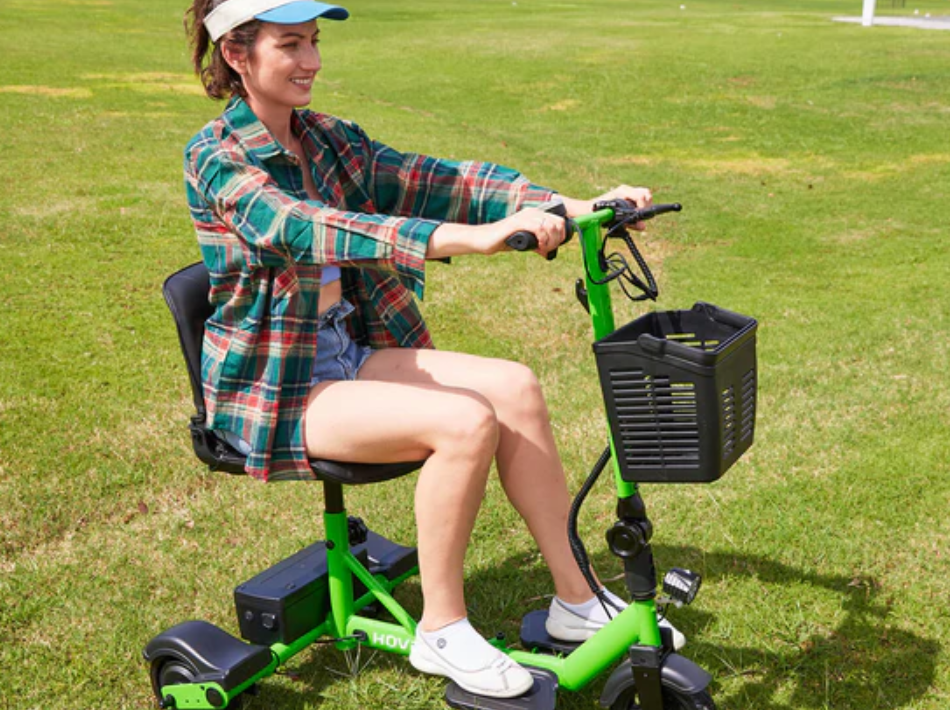
For adults who prioritize tight turning indoors or lighter handling, Electric 3-wheel Mobility Scooters—such as Hoverfly’s 3-wheel designs—can feel more agile, though they trade some outdoor stability compared to four-wheel models.
How Much Battery Range Do Adult Scooters Need?
Battery range defines freedom. Adults who run errands or take longer outdoor rides benefit from higher-capacity batteries (often 15–25 miles per charge). Indoor users usually need far less.
Charging setup matters too. Removable batteries allow indoor charging, while built-in batteries simplify daily routines. Clear battery indicators help avoid range anxiety.
What Should You Consider for Transport and Storage?
Transport needs influence which scooter works best.
Before buying, check:
- Folded or disassembled size
- Trunk opening height and width
- Weight of the heaviest component
Scooters that are easy to load and store reduce daily strain, especially for adults who rely on family help or rideshares.
Common Mistakes to Avoid When Buying Scooters for Adults
Choosing based on price alone often leads to regret. Cheaper scooters may save money upfront, but fall short in comfort, durability, or range.
Ignoring weight and portability is another common mistake. A scooter may look compact online, but still be difficult to lift or store.
Buying more size or power than you need can also backfire. Large outdoor scooters feel stable but may become frustrating indoors.
Skipping a test ride leaves comfort to chance. Short rides often reveal issues that spec sheets never show.
Final Thoughts: Choosing the Best Scooters for Adults
The best scooters for adults support independence without adding stress. They fit naturally into daily routines, feel stable and predictable, and adapt to real-world environments.
Start by deciding where you’ll use your scooter most. That single choice eliminates many options right away. From there, focus on comfort, stability, and range—not just specs—to find a scooter that continues to feel right long after purchase.
If you’re comparing specific models or deciding between 3-wheel and 4-wheel designs, start by narrowing options based on where you’ll ride most. That one step makes everything else easier.
FAQs
1. How long does it usually take adults to get comfortable using a scooter?
Most adults feel comfortable within a few short rides. Basic steering and braking are intuitive, but confidence builds as you learn turning radius, stopping distance, and how the scooter reacts on slopes. Practicing in a quiet area for the first few days helps shorten the adjustment period.
2. Do adult scooters require regular maintenance?
Adult scooters need light but consistent maintenance. This usually includes charging batteries correctly, checking tire pressure or tire condition, keeping moving parts clean, and occasionally tightening bolts. Compared to cars or bicycles, upkeep is minimal, but skipping basic care can shorten battery life and affect stability.
3. Can mobility scooters handle small slopes or ramps safely?
Most adult mobility scooters handle gentle slopes, curb ramps, and accessibility ramps without issues. Stability depends on wheel configuration, weight distribution, and motor strength. Four-wheel scooters generally feel more secure on inclines, while three-wheel scooters handle best on smooth, flat surfaces.
4. Are mobility scooters difficult to use in apartments or small homes?
Mobility scooters can work well in apartments if size and turning radius match the space. Compact or mid-size scooters with tighter turning circles navigate hallways, elevators, and doorways more easily. Measuring doorway width and typical turning areas before buying prevents frustration later.
5. How long do mobility scooter batteries usually last before replacement?
Most mobility scooter batteries last 12 to 36 months, depending on usage frequency, charging habits, and storage conditions. Regular charging, avoiding deep battery drain, and storing the scooter in moderate temperatures help extend battery lifespan and maintain consistent range.



Leave a comment
All comments are moderated before being published.
This site is protected by hCaptcha and the hCaptcha Privacy Policy and Terms of Service apply.