
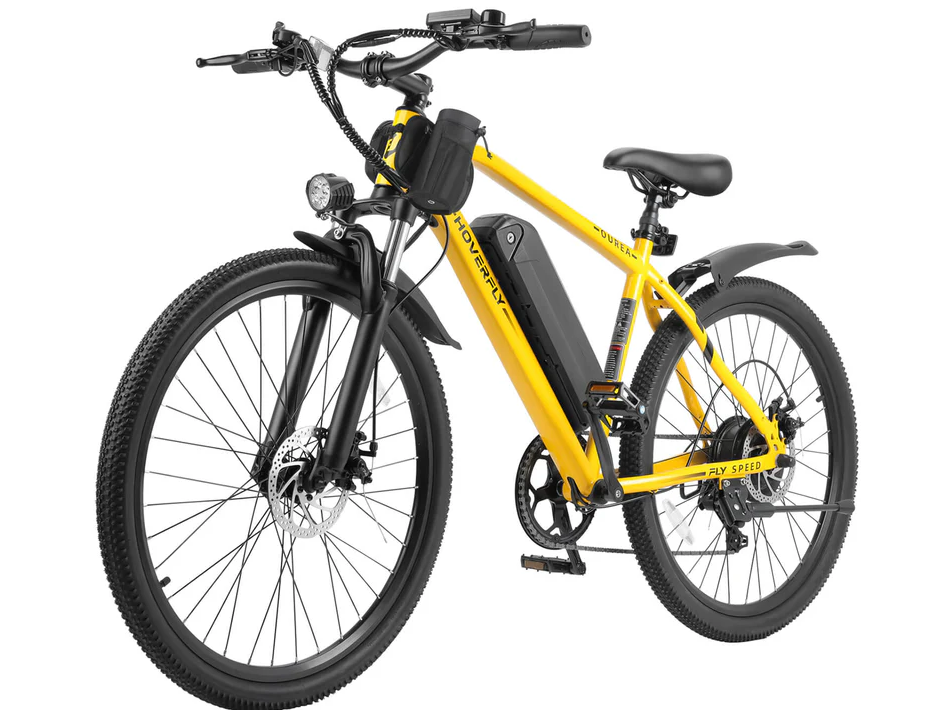
Most city e-bikes are designed to cruise between 15 and 20 mph, with some models assisting up to 28 mph where local laws allow. That speed range is intentional. City e-bikes focus on smooth, predictable movement through traffic, bike lanes, and shared paths—not raw speed.
In this guide, we’ll explain how fast city e-bikes actually go in real urban riding, what limits their speed, how laws affect performance, and how to choose a setup that feels comfortable and safe for daily city travel.
How Fast Do City E-Bikes Go in Real City Riding?

In real commuting, most city e-bike rides sit in the 12–18 mph zone because stops and slow sections happen constantly.
A simple way to think about it: your average speed is what gets you to work on time, not the “top assist” number on a spec sheet. Even large ride datasets show commutes are commonly around the low teens (mph), especially once you include stop-and-go.
Typical city ranges look like this:
- 12–18 mph: Bike lanes, shared paths, and dense downtown areas
- 15–20 mph: Longer city streets with fewer stops
- Occasionally faster: Open roads with Class 3 e-bikes
Quick reality check: If your commute is 3 miles, the difference between averaging 14 mph vs 17 mph is only a couple of minutes. The smoother bike often “wins” in real life.
How Laws Affect City E-Bike Speed
Speed limits depend on where you live, but the pattern is consistent: the motor stops assisting at a legal cutoff.
- United States (common class system): Class 1 and 2 assist to 20 mph; Class 3 assists to 28 mph (usually pedal-assist only).
- United Kingdom (EAPC): Assistance must cut off at 25 km/h (15.5 mph) and meet EAPC rules to be treated like a normal bicycle.
Local rules also decide where you can ride (bike paths vs streets). So before you buy a faster class, check the rules for your city’s bike lanes and shared paths.
Advertised Speed vs Real-World Speed

Manufacturers advertise the assist cutoff, not what you’ll hold through downtown.
Here’s what usually pulls your speed down:
- Stops And Crossings: Lights, pedestrians, tight corners, and delivery vans parked in the lane
- Your Input: Pedal assist still rewards steady pedaling (lazy cadence = slower cruising)
- Wind and Road Texture: Headwinds and rough pavement can knock a few mph off quickly
- Hills: A “fast” bike that struggles on climbs won’t feel fast on your route
If you want a city e-bike that feels quick, focus on how it accelerates from 0 to 15 mph. That’s the speed range you hit all day.
Does Motor Power Increase Top Speed?
Motor wattage affects how quickly you reach speed, not how fast the bike ultimately goes.
- 250W motors: Ideal for flat cities and lighter assistance
- 350W motors: Better hill response and quicker starts
- 500W motors: Handle heavier loads and steeper terrain
Top speed remains limited by software settings and legal regulations, regardless of motor size.
Pedal Assist vs Throttle: How Speed Feels
Pedal assist delivers power only while you pedal. This creates a natural, bicycle-like feel that blends smoothly with traffic.
Throttle systems provide power without pedaling, which helps with quick starts at intersections. Even so, many city riders prefer pedal assist because it feels more controlled and predictable.
Both systems usually share the same legal speed caps. The difference is in how the speed is delivered, not the number itself.
Tire Size, Gearing, and Urban Speed
City ebikes use tires designed for pavement efficiency.
- Narrower tires roll faster and feel more responsive
- Slightly wider tires add comfort on rough streets
Gearing matters too. City bikes use ratios that support frequent starts and moderate cruising rather than high-speed sprinting.
Battery Size and Sustained Speed
Battery capacity does not raise top speed, but it affects how long you can maintain assisted riding.
A larger battery supports
- Longer daily commutes
- Consistent assistance over time
- Fewer charging interruptions
For riders crossing town daily, range matters more than speed.
Safety Considerations at Higher City Speeds
As speed increases, safety demands increase too.
- Brakes must feel strong and consistent
- Tires need a reliable grip on wet or uneven pavement
- Visibility becomes more important in traffic
Good lighting, reflectors, and predictable riding habits matter more as speeds rise, especially during early mornings and evenings.
City E-Bikes vs Other Electric Mobility Options

City e-bikes serve riders who want active pedaling and fluid movement through urban streets. Other electric mobility options are designed for different needs and riding styles.
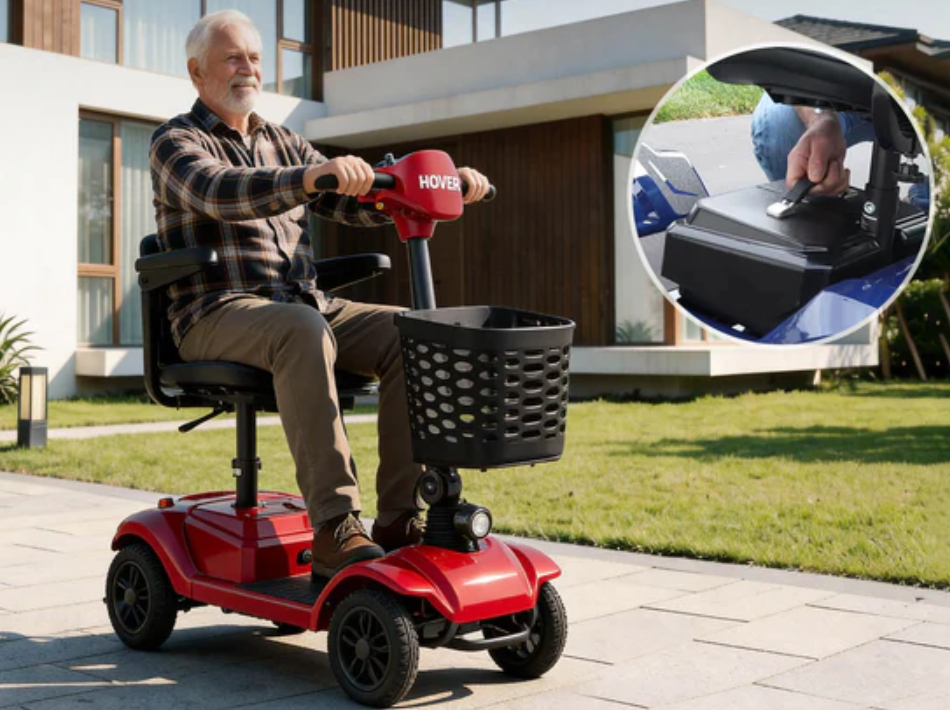
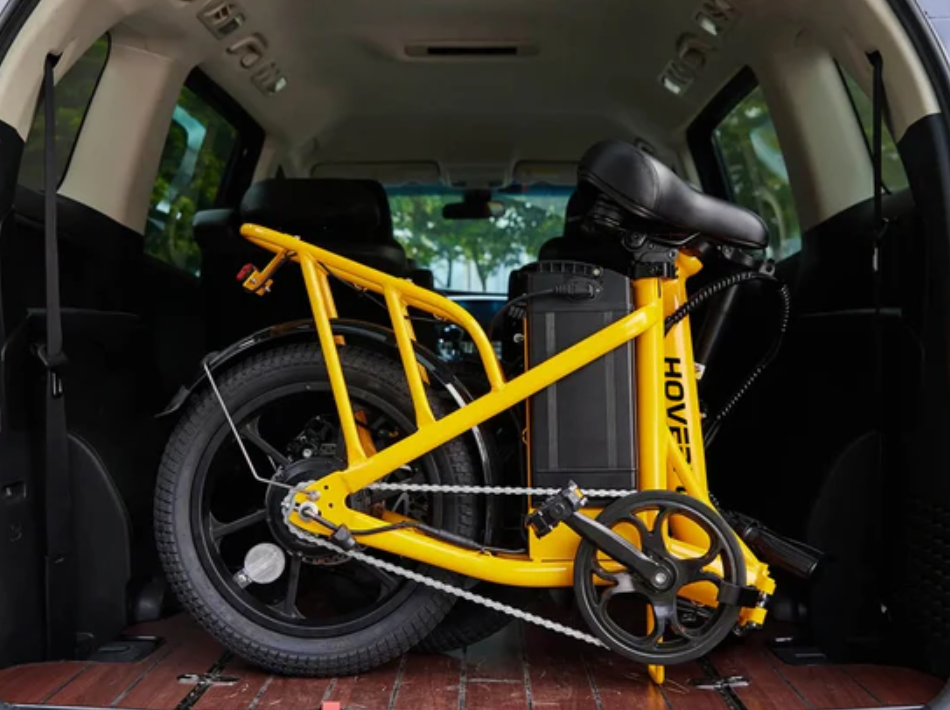
Foldable mobility scooters focus on compact storage, easy transport, and controlled speeds for city errands or indoor-to-outdoor transitions. Outdoor mobility scooters emphasize stability, comfort, and confidence on longer or less predictable routes.
Choosing between these options depends less on top speed and more on how and where you plan to ride.
How to Choose the Right City E-Bike Speed for You
Ask a few practical questions before deciding:
- Will you ride mainly in bike lanes or on roads?
- Are your routes short with many stops, or long and open?
- Do local laws restrict certain e-bike classes?
- Do you prefer relaxed cruising or quicker commuting?
Matching speed capability to real conditions leads to better daily comfort and fewer regrets.
Final Thoughts
City e-bikes are built for balance, not extremes. Most are designed to cruise comfortably between 15 and 20 mph, with some models assisting up to 28 mph where regulations allow. Real-world riding depends more on traffic, terrain, and daily use than on advertised numbers.
Choosing the right speed means focusing on comfort, control, and legal access. When matched well, a city e-bike makes urban travel smoother, calmer, and more enjoyable.
FAQs
1. Can you make a city e-bike go faster than its speed limit?
Technically, yes, but it’s not recommended. Modifying speed limits can violate regulations, void warranties, and create legal and safety risks.
2. How fast can you pedal a city e-bike without motor assistance?
Most riders manage 8–15 mph on flat ground. Extra weight makes hills harder without assist.
3. Does the bike slow down when motor assistance cuts off?
No. The motor simply stops assisting. You continue at your current speed using momentum and pedaling.
4. What is the 80% rule in cycling?
The 80% rule in cycling means riding at about 80% of your maximum effort instead of pushing full speed all the time. It helps reduce fatigue, maintain better control, and keep riding comfortable—especially for everyday city riding.
5. Are Class 3 e-bikes worth it for city commuting?
They make sense for longer, open commutes. For short or congested routes, the speed advantage is often limited.



Leave a comment
All comments are moderated before being published.
This site is protected by hCaptcha and the hCaptcha Privacy Policy and Terms of Service apply.