
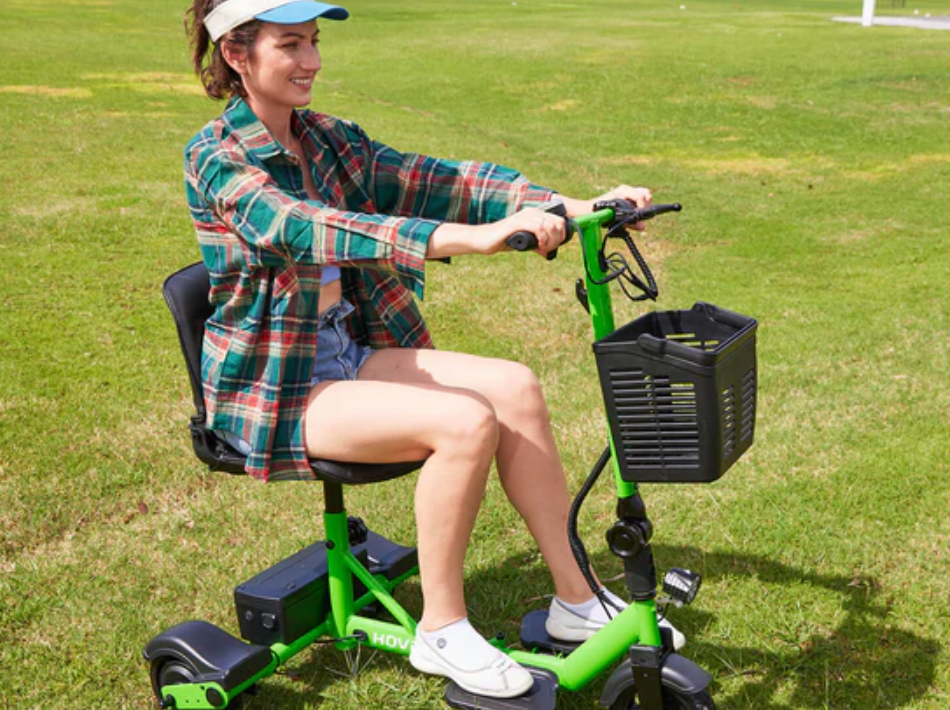
The best mobility scooter for adults is the one that fits your daily routes—your doorways, your turning space, your typical distance, and how steady you feel getting on and off.
In this guide, we’ll help you pick the right scooter type, confirm the right size, choose comfort features that actually matter, and estimate battery range in real use. We’ll also call out the buying mistakes that frustrate people fast.
Start With How You’ll use the scooter
Pick your scooter based on where you ride most, because indoor layouts and outdoor sidewalks demand different builds.
Ask yourself:
- Indoor Most Days? Hallways, kitchens, bathroom turns, elevators
- Outdoor Errands? Sidewalk cracks, curb ramps, parking lots, and small hills
- Car Transport? Trunk opening height, lifting weight, and how often you load it
- Daily Or Occasional Use? Daily use needs better comfort + easier charging
Quick tip: write down your top 3 “must-do” trips (e.g., “living room → kitchen,” “parking lot → pharmacy,” “2-block loop in the neighborhood”). Those trips should drive your decision, not showroom feel.
What Are the Main Types of Adult Mobility Scooters?

Most adult mobility scooters fall into four categories. The right one depends on your space, surface, and how far you ride.
Compact / Indoor Scooters
Choose this type if you ride mostly indoors and need tight turning. Narrow frames handle hallways and doorways well, but small wheels can feel rough on sidewalks.
Mid-Size Everyday Scooters
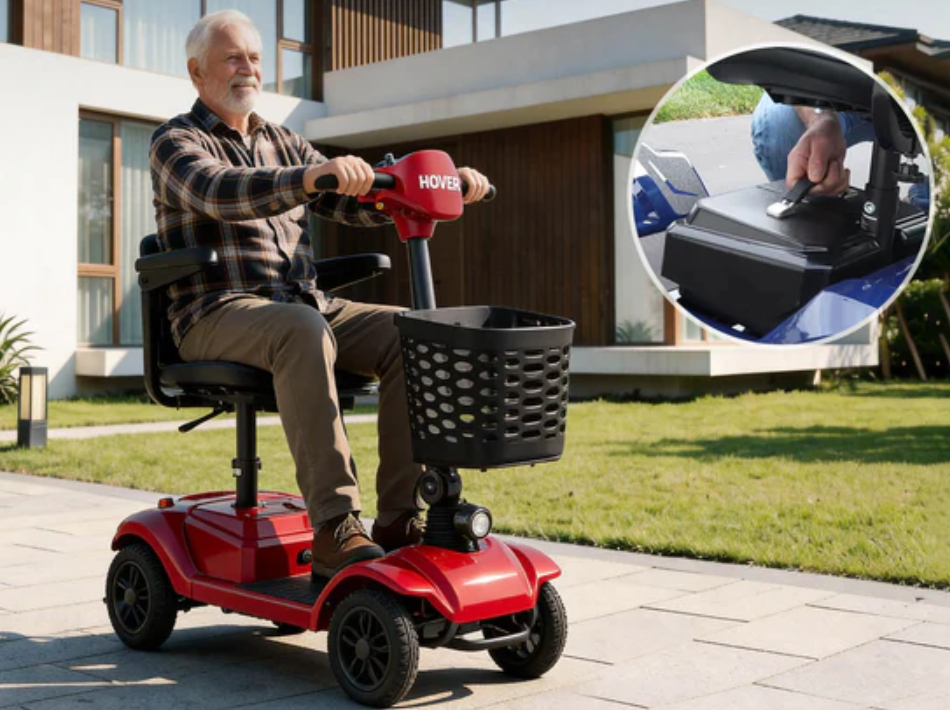
Choose this if you want one scooter for home + errands. Mid-size models usually give the best balance of stability, turning control, and seat comfort.
Full-Size Outdoor Scooters
Choose this type if you ride longer distances on uneven paths or ramps. Larger wheels and stronger suspension feel steadier outdoors, but these scooters take up more storage space and can feel clumsy indoors.
Foldable / Travel Scooters
Choose this if you often load a scooter into a car. Comfort is usually simpler, but portability wins when you travel or store it in tight spaces.
How Do You Choose the Right Size and Fit for an Adult Mobility Scooter?
Fit matters because a scooter can “fit through a doorway,” but still be annoying every day when you try to turn.
1) Measure The Tightest Spots First
Use a tape measure and check:
- Narrowest doorway you must pass through
- Tightest turn (often the kitchen, bathroom entry, or a hallway corner)
- Storage space (where it will live when not in use)
2) Turning Space Matters More Than Straight-Line Width
A scooter might clear a 30–32" doorway but struggle to turn in a tight room. If your home has narrow turns, prioritize responsive low-speed control and tighter turning.
3) Seat Height, Seat Width, And Getting On/Off
Pick a seat height that lets your feet rest naturally when seated, and choose a seat width that supports you without squeezing your hips.
If you deal with joint stiffness, a swivel seat usually makes daily use easier.
4) Weight Capacity (Give Yourself A Buffer)
Choose a weight rating that exceeds your body weight. That buffer improves stability and reduces long-term stress on the motor and frame.
Which Comfort Features Should Adults Prioritize?

Prioritize comfort features that reduce fatigue and make you want to use the scooter—especially on errands that take 20–40 minutes.
Look for:
- Supportive Seat + Backrest: Helps you sit upright without slouching mid-ride
- Adjustable Armrests: Keep shoulders relaxed instead of hunched
- Flat Footwell With Legroom: Prevents cramped knees and ankle tension
- Smooth Throttle Response: Makes starts and stops feel controlled
If you ride on rough sidewalks or paths, suspension + larger wheels usually make a bigger difference than extra “bells and whistles.”
How Does Indoor vs Outdoor Use Affect Scooter Performance?
Matching the scooter to your environment avoids daily frustration.
Indoor use:
Narrow frames, smaller wheels, and responsive low-speed control matter most. Tight turning beats top speed here.
Outdoor use:
Larger wheels, higher ground clearance, and a wider stance improve confidence on ramps and uneven sidewalks.
Mixed use:
Mid-size scooters usually provide the best balance if you split time between home and errands.
How Much Battery Range Do You Really Need, and How Should You Charge It?
Pick battery range based on your longest typical outing, not the best-case number on a product page.
A simple way to estimate real needs:
- Start with your longest normal trip distance (round trip)
- Add a buffer because the real range drops with hills, rough pavement, frequent stops, and colder weather
Charging should match your routine:
- Removable batteries: Helpful if the scooter stays in a garage, but you charge indoors
- On-board charging: Easier if the scooter lives near an outlet
- Clear battery indicator: Helps you avoid “I thought I had enough charge” surprises
What Should You Consider for Transport and Storage?

If you plan to transport your scooter, practicality matters more than advertised dimensions.
Check:
- Folded or disassembled size
- Trunk opening height, not just trunk depth
- Weight of the heaviest piece
Many buyers find that a scooter fits the trunk on paper but not through the trunk opening. Be realistic about what you can lift and load comfortably.
Which Safety Features Help Build Confidence?
Safety is about feeling secure, not just avoiding accidents.
- Stable braking that feels predictable
- Good balance during turns
- Lighting and reflectors for visibility
- Anti-tip wheels for added reassurance
Four-wheel scooters often feel steadier outdoors, while three-wheel scooters turn more easily indoors.
Maintenance and Long-Term Use
Most adult mobility scooters require simple upkeep.
- Charge batteries regularly
- Keep tires clean and properly inflated
- Check controls and brakes periodically
Scooters with straightforward maintenance routines are easier to live with over time.
What Common Mobility Scooter Mistakes Should You Avoid?
Learning from common mistakes can save you money and daily frustration.
Buying on price alone often backfires. Cheaper scooters may cost less upfront but lead to discomfort, limited range, frequent repairs, or early replacement.
Choosing a scooter that’s too large creates constant hassle. A model that feels stable in the showroom may struggle to fit through doorways or store aisles you use every day.
Ignoring weight and transport limits catches many buyers off guard. A scooter that weighs 120 pounds and doesn’t disassemble can be difficult to load for appointments or family visits.
Skipping professional input means missing useful guidance. Physical and occupational therapists can recommend scooter features and home adjustments that improve safety and long-term independence.
Final Thoughts
The right adult mobility scooter should support your routine, not complicate it. Start with how you live, measure your space, and prioritize comfort and control over extra features.
When chosen thoughtfully, a scooter improves independence, reduces strain, and keeps daily movement enjoyable.
If you’re comparing options, reviewing mobility scooter models side by side makes it easier to see which size and style truly fit your needs.
FAQs
1. What is the most reliable scooter brand?
Reliability usually comes from consistent build quality, stable handling, and dependable after-sales support—not a single brand name. When you compare brands (including Hoverfly), look for predictable braking, smooth starts, solid warranty coverage, and easy access to replacement parts.
2. Which is safer, a 3-wheel or 4-wheel mobility scooter?
Choose based on where you ride. Four-wheel scooters usually feel steadier on uneven outdoor ground, while three-wheel scooters often turn more easily in tight indoor spaces. The safer option is the one you can control smoothly in your everyday environment.
3. What makes a mobility scooter reliable in daily use?
A reliable scooter feels consistent: it starts smoothly, brakes evenly, tracks straight, and doesn’t need constant steering correction. Clear battery readings and stable turning also reduce daily “surprises.”
4. Which mobility scooter is more comfortable for longer use?
Look for posture support and vibration control. A supportive seat/backrest, adjustable armrests, enough legroom, and suspension (especially outdoors) usually matter more than extra-thick padding.
5. What is the most common problem people experience with mobility scooters?
Buying a scooter that doesn’t match daily spaces—too wide to turn well at home, too rough outdoors, or too heavy to transport. A quick measurement + honest transport check prevents most regrets.




Leave a comment
All comments are moderated before being published.
This site is protected by hCaptcha and the hCaptcha Privacy Policy and Terms of Service apply.