

Medicare Part B can cover a mobility scooter in 2026, but only when it is medically necessary for use inside your home and ordered through a Medicare-enrolled supplier. That single rule explains most approvals, denials, and appeals. This guide walks through who qualifies, how the approval process works, what to bring to your doctor, why claims get denied, which kinds of scooters tend to fit Medicare's criteria, and what to do if you decide to buy directly instead.
What Medicare Actually Requires
Medicare may cover a mobility scooter as Durable Medical Equipment (DME), but only when it is medically necessary for safe movement inside the home. Your records should show that a cane, walker, or manual wheelchair is not enough; outdoor errands can support the case, but should not be the main reason. After you meet the Part B deductible ($283 in 2026), you typically pay 20% of the Medicare-approved amount if your supplier accepts assignment, meaning the supplier accepts Medicare's approved amount as full payment. You can confirm the cost figures on the Medicare 2026 costs page and the coverage rules on the Medicare wheelchairs & scooters page.
|
Plan Type |
Covered? |
Prior authorization (pre-approval)? |
Typical cost share |
|
Original Medicare Part B |
Yes, as DME |
Required for certain scooters |
Part B deductible + 20% |
|
Medicare Advantage |
Yes, rules vary |
Usually required |
Plan copay or coinsurance |
|
Medigap supplemental |
Helps cover the Part B share |
Follows Part B |
Often reduces your 20% |
|
Medicaid |
Varies by state |
Usually required |
Often low or none |
|
Private / employer plan |
Often, but varies |
Usually required |
Plan deductible + coinsurance |
|
VA benefits |
Yes, for eligible veterans |
VA prescriber process |
Varies by eligibility |
Original Medicare vs. Medicare Advantage
With Original Medicare, you can use any Medicare-enrolled DME supplier, but you should confirm the supplier accepts assignment. Medicare Advantage plans also cover medically necessary DME, but they may require in-network suppliers, prior authorization, specific documentation, and different cost sharing. If you have an Advantage plan, call the plan before choosing a scooter or supplier so you do not accidentally buy outside its process and lose coverage.
What to Bring to Your Doctor Visit
Approval often depends on how clearly your doctor documents your in-home mobility limitations. Bring the following details to help make the notes specific:
- Your narrowest doorway width and the rooms where movement is difficult.
- The daily tasks you struggle with, such as bathing, dressing, or getting to the bathroom.
- Any mobility aids you have already tried, such as a cane, walker, or manual wheelchair, and why they were not enough.
- Your relevant diagnosis and any history of falls.
The Approval Process, Step by Step
- Have a face-to-face exam. Meet a treating practitioner (in person or by approved telehealth) who can document your in-home mobility limits.
- Get the written order. Your doctor writes a Standard Written Order (SWO) — the prescription-like document your supplier needs before delivery — plus notes covering your limitations, the aids ruled out, and why a scooter is necessary. The exam must occur within six months before the order.
- Find a Medicare-enrolled supplier. Use the official Medicare supplier directory and confirm the supplier accepts assignment. Medicare will not pay a claim from a supplier that is not enrolled.
- Let the supplier submit the documentation , including any pre-approval your plan requires. Ask exactly what is being sent before delivery.
- Wait for the decision. For items needing pre-approval, the standard review is generally capped at 7 calendar days after a complete request, though missing records can stretch the overall timeline.
- Take delivery and check the fit. Try the scooter in every room you use daily.
- Pay your cost share. Medicare then sends a summary showing what was billed, paid, and owed.
Why Claims Get Denied — and How to Appeal
Most denials happen because the paperwork does not clearly prove medical necessity, such as weak doctor notes, missing proof that simpler mobility aids are not enough, or an incomplete pre-approval request. If you receive a denial notice, check the exact reason, ask your doctor or supplier to add the missing detail, and then resubmit or appeal. Medicare has several appeal levels, which you can review on the Original Medicare appeals page. You can also get free, unbiased help from your State Health Insurance Assistance Program through the SHIP locator.
What Changed in 2026
The 2026 updates did not introduce major changes to Medicare eligibility for mobility scooters. However, CMS continues to strengthen enforcement of existing Durable Medical Equipment (DME) documentation requirements. As a result, approval outcomes are increasingly dependent on complete and accurate medical records, particularly those demonstrating in-home functional limitations and medical necessity.
What Kind of Scooter Tends to Fit Medicare's Criteria?
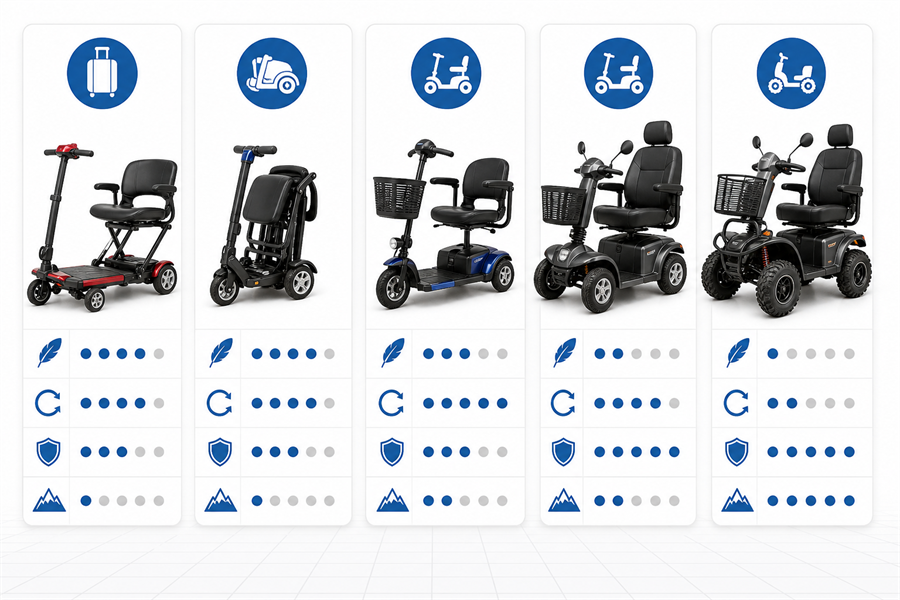
Medicare does not approve mobility scooters by brand; it looks at whether the scooter matches the medical need documented by your doctor. A suitable scooter should be stable to sit on, easy to control, and practical for use inside your home. For people who need added steadiness, a four-wheel scooter can be a strong option because its wider base offers better balance, smoother support, and more confidence during everyday use.
The Direct-Purchase Alternative: Why Wait for Medicare?

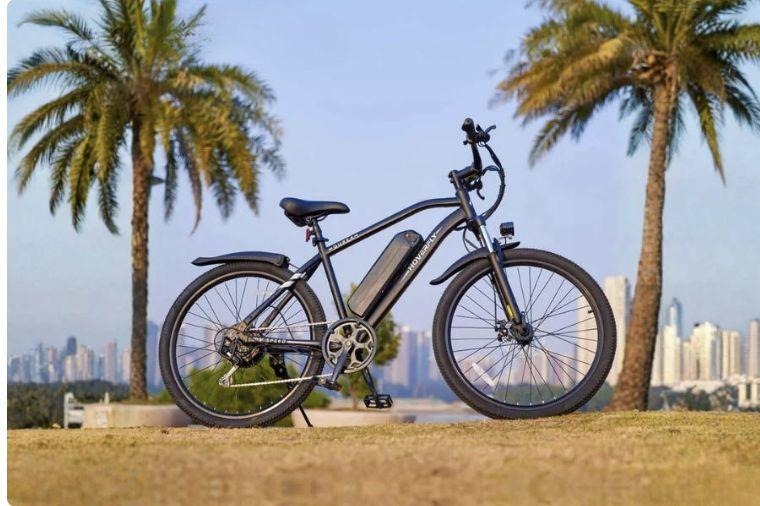
The T4 is also designed to keep operations straightforward. The control layout is simple to understand, so riders can focus on steering and speed without dealing with unnecessary complexity. For more details, read our Hoverfly T4 Old vs New Edition guide. This is not a Medicare approval claim or reimbursement guarantee; coverage still depends on medical necessity, documentation, supplier rules, and your plan’s approval process.
Conclusion
Getting a mobility scooter through Medicare in 2026 is less about finding a covered brand and more about proving a documented in-home medical need. The strongest path is a clear doctor evaluation, a complete written order, a Medicare-enrolled supplier, and approval before delivery when required.
FAQs
Can I choose the exact scooter brand or model through Medicare?
Not always. Medicare focuses on medical necessity and supplier billing rules, not brand preference, so the supplier may offer a model that fits the approved order rather than the exact scooter you found online.
Does Medicare rent or buy a mobility scooter?
It depends on the equipment and supplier process. Medicare says some DME may be rented, purchased, or handled either way, so ask the supplier how billing, ownership, and assignment work before accepting delivery.
Is a doctor’s prescription enough to get a scooter covered?
No. A prescription is only part of the process; Medicare also requires medical necessity, proper documentation, and a Medicare-enrolled doctor and DME supplier, as explained on the Medicare wheelchairs and scooters coverage page.
What if the scooter does not fit well inside my home?
That can be a problem. Because Medicare coverage is based on in-home use, the scooter should fit through the spaces where you need it, so measure doorways, halls, and turning areas before the supplier finalizes the equipment.
Can I use HSA or FSA funds if insurance does not pay?
Often, but confirm first. The IRS allows certain disability-related mobility expenses as medical expenses, but your HSA or FSA administrator may require documentation, a receipt, or a letter of medical necessity.
Disclaimer: This article is for general education only and is not legal, medical, or insurance advice. Coverage, costs, and eligibility vary by plan, state, and individual situation — confirm details with your plan, 1-800-MEDICARE, your State Health Insurance Assistance Program (SHIP), or a licensed advisor before acting.



Leave a comment
All comments are moderated before being published.
This site is protected by hCaptcha and the hCaptcha Privacy Policy and Terms of Service apply.