
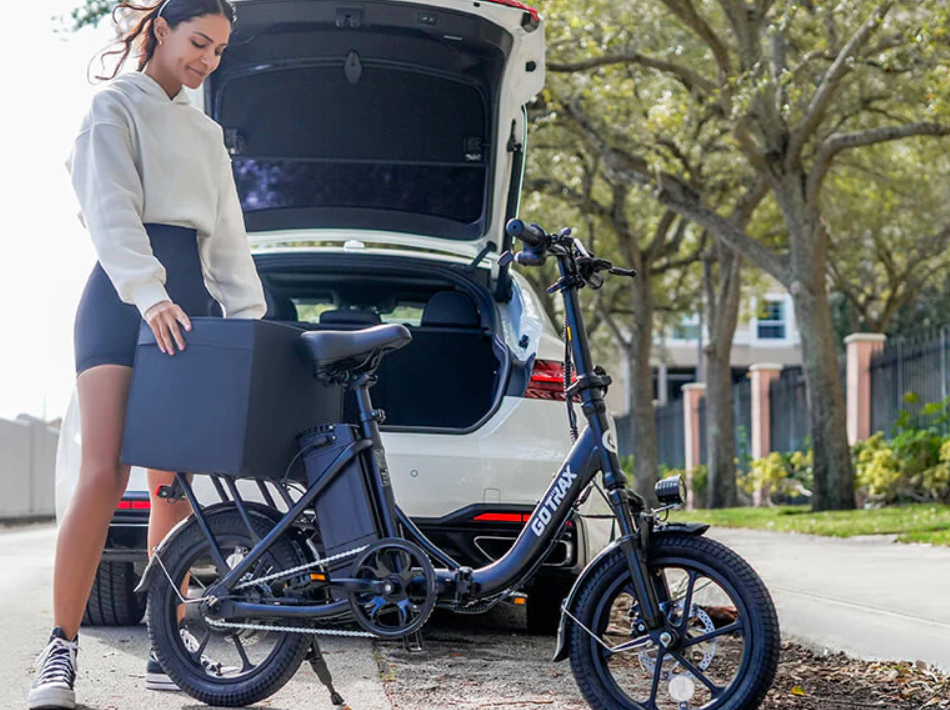
The batteries of the Electronic Bikes form the core of any ride. Your life span defines your distance and comfort of travelling. What influences battery life will make you ride more, charge smarter, and ride your e-bike at its peak.
Understanding Electric Bike Batteries
What Are Electric Bike Batteries and Why Are They Important?
Electric bikes' Batteries are the electric reservoirs that hold the energy that drives the motor of your e-bike.
They dictate the extent to which you can travel, the speed at which you are capable of traveling and how much you can rely on your ride in the long run.
Powerful, well-built battery is a guarantee of stability and freedom on any journey.

Key Components Inside an Electric Bike Battery
Every battery contains several central components:
- Cells: This contains the energy source within the pack.
- Battery Management System (BMS): Overcharge and overheat protection.
- Casing and Connectors: Secure the unit and hold-down.
Such factors operate in a manner that ensures safe and productive power production.
How Electric Bike Batteries Work in Real Life?
When you press the throttle or start pedaling, the battery sends part of its stored energy to the motor.
The motor then turns that energy into forward movement, giving you smooth and steady assistance.
Once the battery level drops, you simply recharge it so it’s ready for your next ride.
Types of Electric Bikes Batteries Explained

Lithium-Ion Batteries
The current e-bikes use lithium-ion batteries. They are portable, efficient and can last longer than the outdated technologies. The lithium-ion batteries in most of the high-quality brands such as the Hoverfly, are utilized due to their ability to remain at constant voltage, charge fast and have a long life span.
Nickel-Metal Hydride Batteries
These used to be popular, however, they have mostly been substituted by lithium-ion choices. They have moderate performance although they use it up quickly when used regularly.
Lead-Acid Batteries
Lead-acid batteries are less expensive, yet heavy and have a short duration of life. They are inexpensive and good with low commute routes but have to be replaced frequently.
Solid-State and Graphene Batteries (Emerging Technology)
It has innovations such as solid-state and graphene batteries which are expected to require less time to charge, be safer, and have a longer life. It is projected that these technologies will define the next generation of e-bikes.
Comparing Battery Types: Which Suits You Best?
Lithium-ion is the most appropriate choice should you have a preference toward longevity and light weight. Lead-acid might do the job, should you happen to be an occasional rider. Solid-state batteries will shortly redefine the capacity of Electric Bike Batteries.
Average Lifespan of Electric Bike Batteries
The General Rule: Years vs. Charge Cycles
The majority of the Electric Bike Batteries have a lifespan of 500-1000 full charge cycles. This amounts to 3-5 years of regular usage. Capacity is slightly destroyed in every charge cycle, however, regular care maintains performance for many years.
Usage Frequency and Riding Style Impact
Cycles may be used up by frequent long-distance riders. Five Battery charges allow you to ride longer, with the help of a smooth and consistent ride.
What Things Can Shorten or Extend Electric Bike Battery Life?
Riding Habits and Terrain Type
Hasty acceleration, steep ascents, or bumpy roads burn up a lot of energy. Less power is required through gentle and constant riding on flat terrain, which keeps the battery healthy.
Temperature and Climate Conditions
Chemical wear is enhanced by heat, whereas extremely low temperatures decrease charge efficiency. Always keep your battery at average temperatures to ensure that it is balanced.
Charging Routine and Timing
There should be no deep discharge or full charge. Retaining the charge between 20 and 80 percent prolongs life by a long way.
Weight, Tire Pressure, and Wind Resistance
Having heavy loads, tires that are underinflated, and strong winds make your motor labor harder, and consequently, it eats more energy from the battery.
Maintenance and Care Frequency
Clean connectors, check mounts, and look at them on a regular basis to check on corrosion. Minimal things will extend the life of your battery by months.
Battery Range: How Far Can You Ride on a Single Charge?

Real-World Range vs. Manufacturer Range
Manufacturers usually test their range under perfect conditions, so real-world mileage is often lower.
Terrain, rider weight, speed, and wind all affect how far you can go.
What Determines Range per Charge
- Capacity of battery (in watt-hours)
- Power and level of assistance used by the motor
- The weight of the rider and the type of terrain
Tips to Maximize Each Ride’s Range
Apply pedal-assist options that have a flat surface. Make sure that your tires are inflated. Avoid sudden speed bursts. Minor modifications can relax to get an expansion of 10-15%.
Signs Your Electric Bike Battery Is Aging or Failing
Noticeable Drop in Range
When you have to cover a distance of 30 miles and now you have to cover 20 miles then your battery can be old.
Longer Charging Time
Deterioration of cells increases the time required to charge the cell.
Sudden Power Cuts or Error Codes
Sudden disconnections or the failure of a system are likely to suggest that the BMS is finding it difficult to control the flow of energy.
Physical Wear or Leakage
Any discoloration or bleeding is harmful. Switch off the battery and call your manufacturer.
How to Make Electric Bike Batteries Last Longer?
Follow the Right Charging Routine
Discharge every now and then but not completely. Always use original chargers that are compatible with this or that type of battery.
Smart Storage for Off-Season
When e-biking in winter, it is best to leave the battery half-charged in a cool and dry location.
Avoid Overheating and Overuse
It is important to allow the battery to cool down after a long ride or charging and then use it again.
Update Your Battery Firmware
Certain new batteries are compatible with software updates which can increase the reliability and performance.
Regularly Inspect Connectors and Mounts
Loose connections may lead to problems with charge or voltage drop. Make sure that your connectors are clean and hard.
What Battery Safety Tips Should Every Rider Know?

Use Only Certified Chargers
Internal cells may be destroyed by incompatible chargers. The chargers that are accepted by the manufacturer of your bike should always be used.
Never Charge Near Flammable Items
Open and ventilated spaces should be charged with the risk of being overheated.
Monitor for Unusual Smells or Heat
In case of battery overheating, smell or smoke, turn off the battery and get help.
When Should You Replace or Upgrade Your Electric Bike Battery?
How to Know It’s Time for Replacement
A battery that is no longer charged or shuts down too often should be changed.
Choosing the Right Replacement
Always match and ensure that the voltage, connectors, and cell type match your e-bike.
Benefits of Upgrading to Higher-Capacity Models
More recent batteries have higher watt-hours of current, which provide extended range and reduced charge cycles.
Proper Battery Disposal and Recycling
Recycle the old batteries appropriately in recycling centers. Do not dispose of them in domestic waste.
Conclusion
Electric Bike Batteries are the core of every great ride.
You take care of them and their life and performance become entirely dependent on your care.
Regular servicing, adequate charging, and handling will ensure that your travels are not hindered for many years.
We make batteries that are powerful, safe, and long-lasting at Hoverfly.
Travel further and with less worry, our technology ensures your safety.
Today, go to our webpage to find high-quality electric bike accessories that fit your e-bike.
FAQs About Electric Bike Batteries
1. How many years do Electric Bike Batteries last?
Typically, 3-5 years with a few exceptions of brand, maintenance, and frequency of use.
2. How far can you ride on a single charge?
The majority of e-bikes have a range of 25-70 miles on a charge with varying degrees of assistance.
3. Can I charge my battery overnight?
Yes. In modern systems, it is impossible to charge up automatically.
4. Is it safe to ride in the rain?
Yes, provided that you have covered the battery and connectors. Water immersion should be avoided.
5. Is it possible to replace the battery of a Hoverfly e-bike?
Yes, you have an opportunity to upgrade to larger-capacity models that can fit your system. See our support staff to make alternatives.




Leave a comment
All comments are moderated before being published.
This site is protected by hCaptcha and the hCaptcha Privacy Policy and Terms of Service apply.