
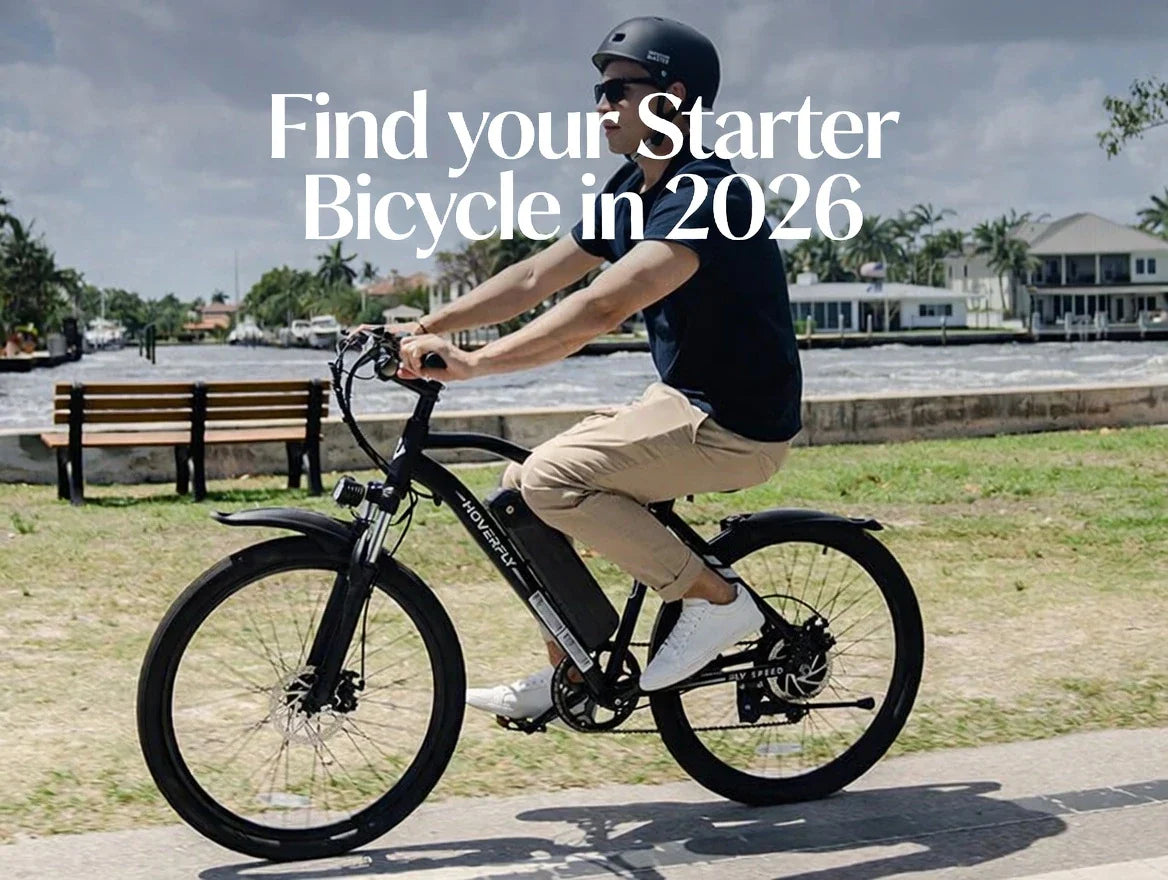
A good starter bicycle should be comfortable to ride and suited to the routes you ride most often and the way you plan to use it. For some commuters, that means a simple hybrid bike that works well for daily commuting. For others, it may just be a cruiser for short casual rides, or an e-bike that can handle hills and longer trips with less effort.
If you are still unsure what kind of bike is right for you, we will introduce the main types of starter bicycles and the situations they are best suited for to help you make the right choice.
Why Choosing the Right Beginner Bike Matters
Research from Cycling Weekly indicates that an ill-suited first bike often leads to neck strain, back pain, and numb hands. Beginners who purchase bikes that are too aggressive in geometry, too heavy to handle, uncomfortable to ride, or poorly sized frequently abandon cycling within their first year. The impact of the right bike choice extends beyond physical comfort. Riders who feel confident on their bicycles are more likely to explore new routes, join group rides, and reinforce the activity.
6 Different Types of Bikes
Different bicycle designs serve different purposes. Understanding the primary characteristics of each type enables you to narrow your choices based on where and how you plan to ride.
Hybrid Bicycles

Hybrid bicycles represent the most popular choice for beginner riders. They combine features from road and mountain bikes, with a moderate frame geometry emphasizing stability and comfort over aggressive handling. Typically 7–21 speeds offering sufficient range for varied terrain without overwhelming complexity. Practical for urban commuting and casual riding, light trail riding, and riders who value versatility over specialization.
E-Bikes

E-bikes add a battery-powered motor that assists while pedaling or using a throttle. They make hills easier, extend riding range, and reduce physical effort, which appeals to new riders, commuters, and those returning to cycling after a long break. E-bikes require charging and slightly more maintenance than regular bikes but significantly lower the barrier to regular riding.
Road Bicycles

Road bikes excel on smooth pavement and longer distances through lightweight frames where their efficiency advantage becomes noticeable. They serve beginners with specific fitness goals, group ride aspirations, or predominantly smooth-road environments who accept the trade-off between speed and general-purpose comfort.
Mountain Bicycles

Mountain bikes are built for trails, dirt paths, and uneven surfaces. Lower gears make climbing easier, while the stable design builds rider confidence on rough terrain. Mountain bikes suit riders who plan regular off-road or mixed-surface riding compared to hybrids or road bikes.
Cruiser Bicycles

Cruiser bicycles prioritize ease and relaxation for short, flat rides. They offer wide padded saddles and an upright posture that minimizes strain. Most use single-speed or 3–7 speeds with simple brakes, resulting in very low maintenance needs. Wide balloon tires provide cushioning but require more effort on longer or hilly routes.
Gravel Bikes

Gravel bikes combine road bike efficiency with the ability to handle unpaved roads and light trails. They feature wider tires (35–50mm), relaxed geometry, and drop handlebars with good control. Gravel bikes suit beginners who want versatility for mixed surfaces, longer adventures, or uncertain future riding goals. They cost more than basic hybrids but reduce the need to buy multiple bikes later.
Bike Types Overview: Comparison Table
| Bike Type | Best For | Riding Position | Weight | Beginner Friendliness |
|---|---|---|---|---|
| Hybrid | City + light trails | Upright | Medium | Very High |
| E-Bike | Hills, commuting, beginners | Upright | Heavier | Highest |
| Road | Long paved rides | Forward lean | Light | Medium |
| Mountain | Trails & rough paths | Upright | Heavy | Medium |
| Cruiser | Short casual rides | Very upright | Heavy | Very High |
| Gravel | Mixed pavement & dirt | Semi-upright | Medium | High |
Key Components Explained for Beginners
Key components determine how comfortable, safe, and easy it will be to maintain your bike. Beginners only need to understand a few basics.
Frame Material: Aluminum vs. Steel vs. Carbon Fiber
Aluminum frames are the most common choice for beginner bikes. They are lightweight, strong, affordable, and rust-resistant. Steel frames are heavier but offer a smoother ride feel and high durability. They suit riders who prioritize comfort over weight. Carbon fiber is very light and absorbs vibration well but is expensive and rarely found on true beginner bikes. Most new riders should choose aluminum unless they have specific needs.
Gear Systems: How Many Speeds Do You Need?
Most beginners need only 7 to 14 speeds. Single-speed or 3-speed bikes are simple and low-maintenance but difficult on hills. 7–8 speed systems provide enough range for flat and gently hilly routes with minimal complexity. 14–21 speed bikes add lower gears for steeper climbs. More than 18 speeds usually adds unnecessary complexity and cost for new riders. Choose gears based on your local hills rather than the total number.
Brakes: Disc vs. Rim
Disc brakes offer stronger and more consistent stopping power, especially in wet or dirty conditions. They require less frequent adjustment than rim brakes. Rim brakes are lighter and cheaper but lose effectiveness when wet. For beginners who ride in varied weather or on hills, mechanical disc brakes provide the best balance of safety and simplicity. Hydraulic disc brakes are more powerful but appear mainly on higher-priced bikes and need specialized service.
Tires and Wheels
Tire width affects comfort and capability. Narrow tires (23–28mm) roll faster on smooth roads but feel harsh. Medium tires (32–42mm) on hybrids balance speed and comfort. Wide tires (over 2 inches) on mountain and cruiser bikes provide stability and cushioning. Puncture-resistant tires reduce flat frequency and are worth considering for beginners. Wheel size is matched to frame size by manufacturers, so focus on overall bike fit rather than wheel diameter alone.
Why E-Bikes Are a More Common Starter Option in 2026
The best bike depends on how and where you plan to ride most often.
E-bikes have become one of the most popular choices for beginner riders. According to a 2026 study by Arntzen et al. published in Frontiers in Sports and Active Living, motor assistance during e-bike commuting made nearly 50% of riding time feel pleasant and increased rider alertness, making it safer and more enjoyable for new cyclists.
This shift happens for good reasons. E-bikes reduce the physical effort needed for hills and longer distances, helping beginners feel confident instead of tired or overwhelmed. They lower the barrier to regular riding while still providing healthy exercise. For many new riders in 2026, an e-bike is now the smartest and most practical way to begin cycling.
Hoverfly E-Bikes: Real-World Scenarios for Beginners
Urban Commuting (5–15 miles daily on paved roads)
New beginners often feel nervous riding in busy city streets filled with cars, bikes, and people. They worry about stopping quickly, carrying the bike up stairs, or taking it on buses and trains. The Nephele Bike is designed to help new riders feel less stressed in crowded city environments. It can fold in just 20 seconds, making it easy to carry and store in small apartments or bring onto public transportation.
Weekend Fitness Rides (10–30 miles, mostly pavement)
Weekend fitness rides need good power for hills and enough battery range so riders can enjoy longer trips without getting too tired. A balance of motor help and pedaling helps build fitness gradually.
Trail Exploration and Mixed Surfaces
New riders exploring trails and mixed surfaces often feel unstable on gravel, dirt paths, or small hills. They worry about losing balance, hitting bumps, or struggling to climb uneven ground. The Ourea Bike's wide tires give excellent traction on gravel and light dirt, while the shock absorption smooths out bumps for a more comfortable and stable ride.
Casual Neighborhood and Short Errands (under 5 miles, flat terrain)
For casual neighborhood riding and short errands, it is helpful to prioritize comfort, simplicity, low maintenance, and easy step-on accessibility. Always choose Hoverfly ET1 with an ultra-low step-through frame, because it makes it easier to get on and off without lifting your leg high. An oversized rear basket is useful for carrying groceries or small loads, and a removable long-range battery can support multiple short trips on a single charge.
The Hoverfly ET1: Zero Strain for New Riders
If balance is a concern, a traditional two-wheel bike might feel intimidating. ET1 Folding Electric Trike is an excellent choice for beginners.
- Powerful 1000W Peak Motor: handles hills and loads up to 400 lbs with ease.
- The removable 48V battery gives up to 60 miles per charge and is simple to take indoors.
- Low Step-Through Frame: Easy to mount and dismount without lifting your leg high—ideal for riders with limited flexibility.
- Unmatched Cargo Capacity: Features an oversized rear basket (perfect for groceries) and a stable 3-wheel wheelbase that prevents tipping.
- Ultra-Grip 20" x 3" Fat Tire System: Premium all-terrain tires ensure superior grip and good shock absorption across diverse surfaces.
Common Beginner Mistakes to Avoid
Avoiding these mistakes saves money and prevents frustration.
Buying Too Many Bikes
Many beginners choose expensive or advanced bikes thinking they will "grow into them." In reality, overly aggressive geometry or excessive features can make learning harder. A simpler, well-fitted bike at a moderate price usually serves new riders better than a high-end model that they rarely use to its potential.
Neglecting Fit Over Features
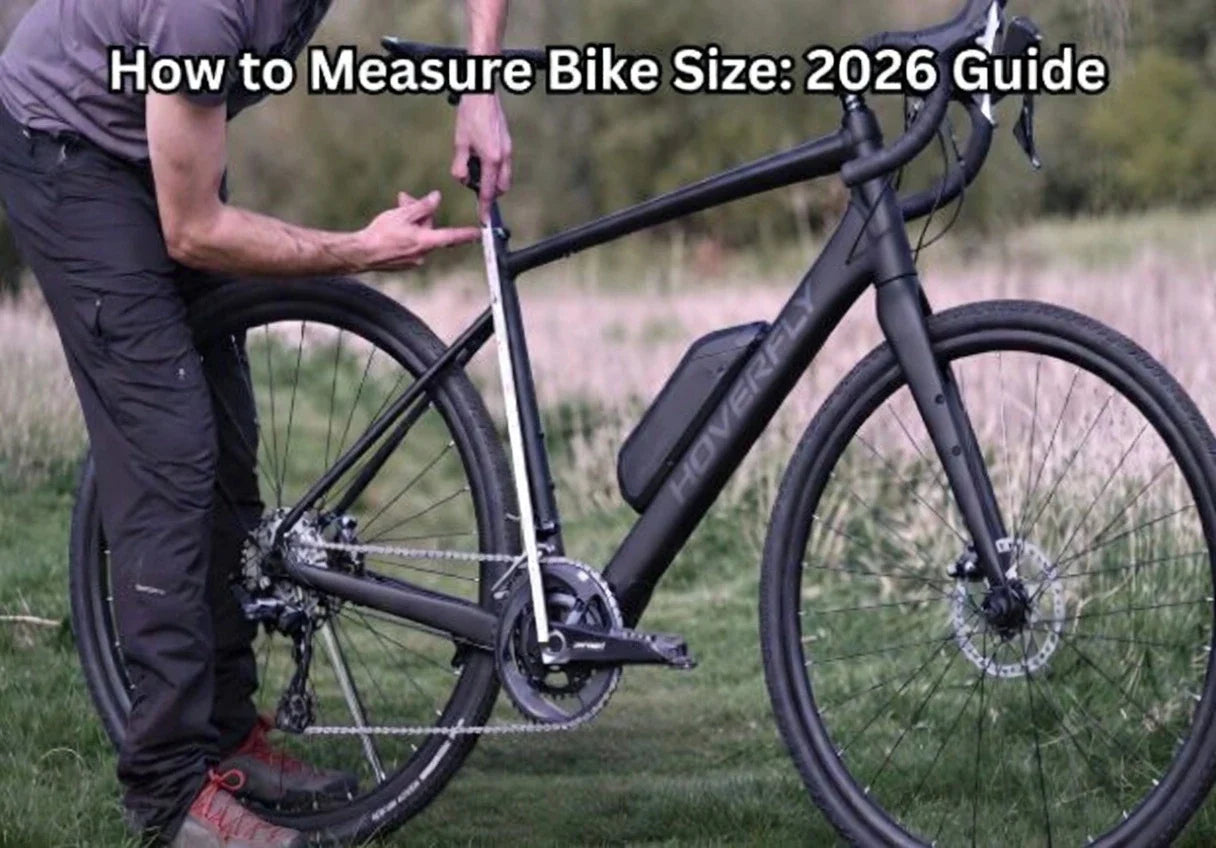
Frame size matters more than brand, groupset name, or extra gears. An ill-fitting bike causes pain in the back, neck, wrists, or knees no matter how good the components are. Always test ride the actual size you need before comparing specifications.
Forgetting Essential Accessories
The bike price does not include safety equipment. Plan to spend an extra $150–$250 on a quality helmet, lights, sturdy lock, pump, spare tube, and basic tools. Riding without these items compromises safety and convenience.
Ride Tips: 5 Questions to Ask Yourself
Before buying, answer these questions during a test ride:
- Can you stand over the frame with both feet flat and have 1–3 inches of clearance?
- Are your arms slightly bent and relaxed when holding the handlebars?
- Can you reach and operate the brakes and shifters comfortably?
- Does the saddle height allow a slight bend in your knee at the bottom of each pedal stroke?
- After 10–15 minutes of riding, do you feel any sharp pain or numbness?
If the answer to any question is no, the bike is likely the wrong size or type.
Your Next Steps: From Purchase to First Ride
Perform a basic safety check (tires inflated, brakes working, chain lubricated) by confirming tires are properly inflated, brakes respond firmly, and moving parts are lubricated before your first ride. Start in quiet areas with minimal traffic to regain comfort with balance, braking, and shifting. For quality and peace of mind, many beginners choose Hoverfly electric bikes, which offer fast, free shipping across the U.S., a full 1-year warranty, and responsive customer support. Identifying a local bike shop for future maintenance and considering beginner group rides in your area can further support your cycling journey. Learning basic skills such as signaling turns and scanning for traffic will help you ride safely and confidently from day one.
Conclusion: You're Ready to Choose Your Perfect Starter Bike
Choosing your first bicycle does not need to be complicated. Focus on proper fit, suitability for your main riding scenarios, and quality components that match your budget. A good starter bike builds confidence, requires reasonable maintenance, and makes cycling enjoyable from the beginning. Every experienced rider started as a beginner. By understanding your needs and avoiding common mistakes, you can select a bicycle that supports safe, comfortable, and regular riding for years to come. Take time to test ride several options, ask questions, and choose based on real-world feel rather than marketing claims. Your first bike can open the door to a rewarding lifelong activity.
FAQ: Beginner Bike Questions Answered
What is a good bicycle to start with?
A good starter bicycle should offer comfort, ease of use, reliability, and practical features that match your lifestyle. The Hoverfly series stands out as an excellent choice for beginners, with user-friendly designs such as low step-through frames, electric pedal assist, and foldable options. It offers fast, free shipping across the U.S., a 1-year warranty, and strong after-sales support, giving new riders confidence and long-term protection.
Should I buy new or used?
New bikes come with warranties and a known service history, which reduces risk for beginners. Used bikes cost less but require careful inspection or purchase from a reputable shop with a tune-up guarantee.
How many gears do I really need?
Seven to 14 speeds are sufficient for most beginners. Focus on having low enough gears for your steepest local hills rather than maximizing total gear count.
Is a women's-specific bike necessary?
Not always. Modern bikes focus on fit rather than strict gender labels. Test both standard and low-step frames. Hoverfly's low step-through designs on the Nephele and ET1 models are especially beginner-friendly and comfortable for riders of different heights and abilities.
How often do I need to maintain my starter bike?
Clean and lubricate the chain every 100–200 miles, check tire pressure weekly, and get a professional tune-up once or twice per year. Wet riding conditions require more frequent chain care.




Leave a comment
All comments are moderated before being published.
This site is protected by hCaptcha and the hCaptcha Privacy Policy and Terms of Service apply.