

Yes — as long as you choose a compact, indoor-friendly model, a scooter can help you move around your home safely and independently.
In this guide, we’ll walk through how daily indoor use works, what to watch out for, and how to choose a scooter that actually fits your rooms, hallways, and lifestyle.
What Is a Mobility Scooter?

A mobility scooter is a battery-powered mobility device that helps you travel short or long distances without walking.
Indoor models are lighter, quieter, and much easier to steer, which is why they work well in apartments, hallways, and smaller rooms.
There are also hybrid scooters designed for both indoor and outdoor use, but the key is picking one that matches your home layout and your daily needs.
What Types of Mobility Scooters Are Best for Indoor Use?
The best mobility scooters for indoor use are compact, lightweight models with tight turning ability. Most people choose between three main designs depending on their home layout and stability needs.
3-Wheel Scooters

3-wheel scooters turn tightly and glide through narrow spaces, which makes them great for apartments or homes with small rooms. They offer the best maneuverability but slightly less stability on uneven flooring.
4-Wheel Scooters

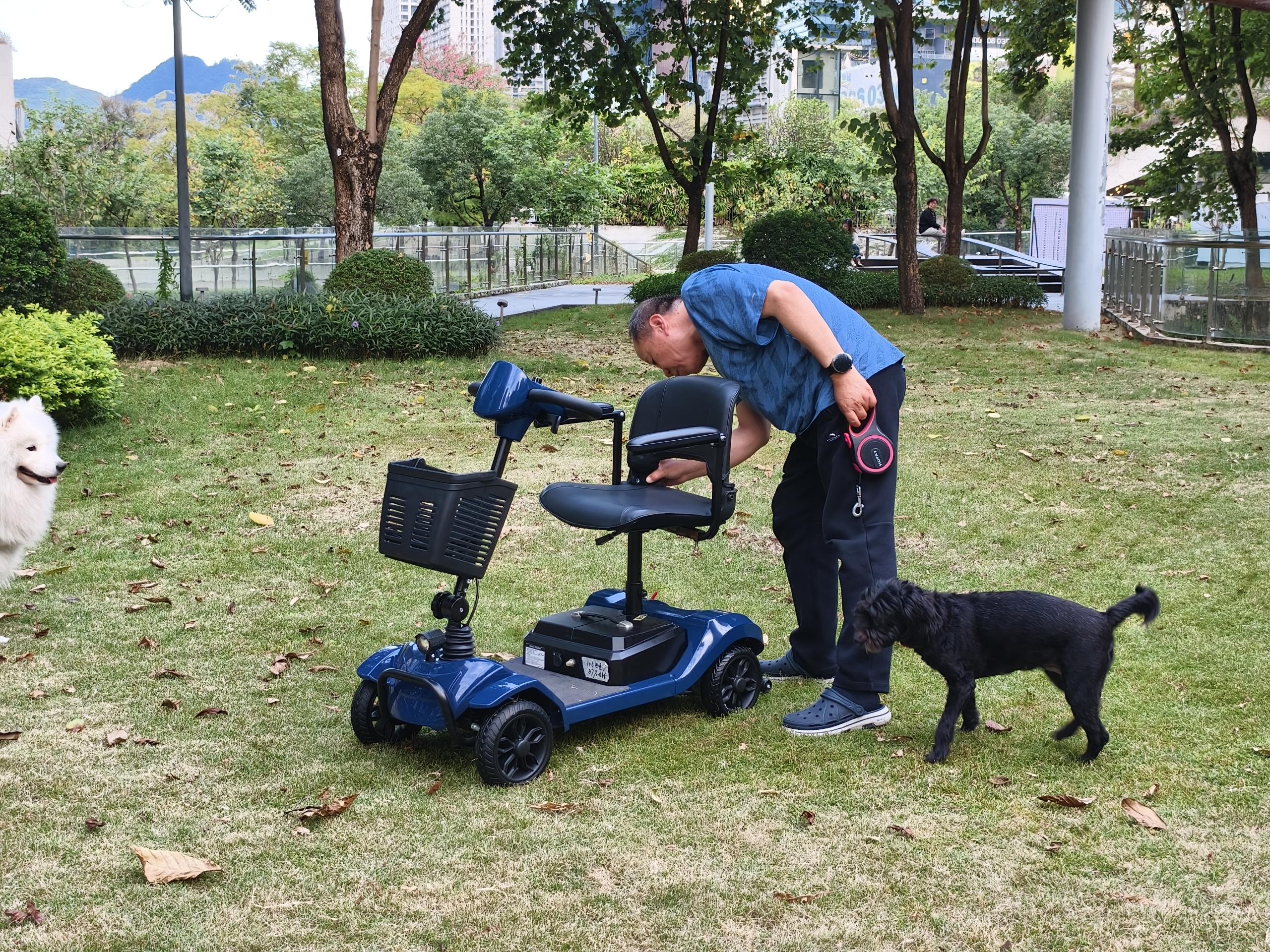
4-wheel scooters offer better balance thanks to the wider wheelbase. They feel steadier when crossing thresholds or textured flooring, but they do need more turning space.
Lightweight Mobility Scooters

Lightweight scooters are tailor-made to be used as scooters indoors and at the convenience of the place.
They can be pushed easily if the battery is depleted, and they will suit smaller homes or apartments. (We’ve seen many users use them in studio apartments.)
Lightweight scooters prove to be particularly beneficial to individuals who require a daily mobility solution indoors since they are:
- They are easy to move and store.
- Less strain on the flooring as a result of a lighter weight.
- It is simple to fit in tight corners and simple to offer decent stability.
Pros and Cons:
| Scooter Type | Pros | Cons |
| 3-Wheel | Tight turns, great for narrow hallways | Less stable on uneven flooring |
| 4-Wheel | Higher stability, smoother indoors | Needs more turning room |
| Lightweight | Easy to move, store, and charge | Lower top speed and shorter battery range |
Indoor vs Outdoor Scooters
Indoor scooters are built for smooth floors, short distances, and tight turning.
Outdoor scooters are heavier, faster, and designed for uneven terrain — which is why they often feel bulky or unsafe inside a home.
If your hallway is under 36 inches wide, or if your rooms are close together, a large outdoor scooter will be difficult to steer and may damage furniture or walls.
How Mobility Scooters Improve Daily Life
A good indoor scooter lets you move around your home without waiting for help.
You can get to the kitchen, bathroom, or front door on your own, which makes everyday tasks—like cooking, picking up packages, or doing laundry—far less tiring.
Scooters also reduce strain on your knees, back, and hips. Many users tell us they can stay active longer during the day simply because they save their energy for tasks that actually matter.
Can Mobility Scooters Be Used Indoors Every Day?
Expert View on Daily Indoor Use
Experts indicate that indoor scooters are not dangerous, provided that appropriate precautions are taken and indoor-friendly scooters are used daily.
Indoor use is not a problem. Anti-tip designs, low-speed settings, and small frames should be used for daily domestic purposes.
The benefit of daily use is that you will be mobile and independent, although there are guidelines to be adhered to to prevent accidents or battery problems.
Benefits of Daily Indoor Use
- Self-sufficiency: Be able to act on your own.
- Less Fatigue: Scooter riding relieves the burden on the legs, back, and joints.
- Scooter baskets make it convenient to carry groceries, laundry, or personal items.
- Improved Safety: Anti-tip designs, speed control and handling make it smooth, which minimizes accidents.
You are connected to your environment with the help of the daily indoor use and are independent and safe.
Risks and Limitations
- Space Issues: Narrow corridors and cramped rooms have to be maneuvered through carefully.
- Possible Damage: The wheels may scratch the floors, carpets or furniture edges. Protective mats can help.
- Battery Life: Batteries used regularly will be low in usage when not charged regularly.
- Noise Levels: There are also scooters that sound indoors. The quiet model can be selected to enhance comfort.
The awareness of these limitations makes the usage of a scooter indoors safe and efficient.
How Do You Choose the Right Mobility Scooter for Indoor Use?
Choose an indoor scooter by checking its size, turning radius, weight, and comfort features. These factors determine whether it will actually fit your hallways, doorways, and daily routine.
Size, Weight, and Turning Radius
Indoor scooters need to move through tight spaces, so look for a turning radius between 33–45 inches.
Smaller numbers mean easier steering in kitchens, bedrooms, and narrow corridors.
- Compact frames glide through doorways more easily.
- Lightweight designs are easier to push manually if the battery runs low.
- Measure your narrowest hallway before choosing a model (many users realize this only after the scooter arrives).
Battery Life and Charging Tips
A good indoor scooter should last through your daily routine without constant charging. Look for:
-
Removable batteries, which make charging easier
-
Overcharge protection, which extends battery lifespan
- Daily top-up charging, especially if you take multiple short trips
Tip: Charge the scooter at night, but avoid leaving it plugged in for days at a time.
Comfort and Accessibility Features
Comfort affects how long you can stay active at home, so choose:
-
Swivel seats, which help you get on and off without twisting your back
-
Adjustable armrests and footrests
-
Simple joystick or tiller controls
Small upgrades—like a padded seat or softer tires—can reduce fatigue over a long day.
Indoor-Friendly Accessories
These accessories help protect your space and make everyday tasks easier:
-
Cushioned Mats: Reduce marks on the flooring
-
Anti-Slip Pads: Add grip on tile or hardwood
- Storage Baskets: Keep groceries, laundry, or medication within reach
What Safety Rules Should You Follow When Using a Mobility Scooter Indoors?
Keep your indoor scooter safe by maintaining clear pathways, driving at low speeds, and avoiding flooring hazards like loose rugs or uneven transitions.
Avoid Common Hazards
Hallways should be clear and free of clutter to avoid accidents.
Watch out for the carpet flooring, stairways, and corners of furniture.
Open space is clean, and the movement of the scooters is easier, and the chances of collision are decreased.
Preventing Accidents
Always maintain a low speed, particularly when making turns or going through small corners. Anti-tip scooters are indoor safe.
One should constantly observe the environment to prevent bumps or scratches.
Emergency Preparedness
have a telephone or alarm system available. Should there be falls or mechanical problems, there is immediate access to help.
Tip: Many users mount a small phone holder on the tiller so it’s always accessible.

How Do You Maintain a Mobility Scooter for Daily Indoor Use?
Maintain your scooter by cleaning it weekly, checking essential parts monthly, and scheduling a professional tune-up every 6–12 months.
Cleaning and Upkeep
Daily indoor use means wheels pick up dust and hair from floors. Wipe:
-
Wheels and axles
-
Seat cushions
-
Charging port area
A simple microfiber cloth keeps sensors and controls responsive.
Regular Safety Checks
Check these parts every 2–4 weeks:
-
Brakes — should respond instantly
-
Horn and lights — especially if your hallway is dim
-
Tire condition — indoor tires wear more slowly but still flatten over time
-
Loose screws/armrests — especially on folding models
These quick checks prevent unexpected failures when you rely on the scooter the most.
Professional Servicing
Schedule service every 6–12 months. Technicians inspect electrical connections, battery health, motors, and alignment—things you can’t easily check at home.
Regular service keeps your scooter safe and extends its lifespan.
What’s the Difference Between Using a Scooter Indoors vs. Outdoors?
Indoor scooters focus on maneuverability and safety in tight spaces, while outdoor scooters prioritize power, stability, and range.
| Feature | Indoor Scooters | Outdoor Scooters |
| Size | Compact for hallways | Larger for rough terrain |
| Speed | Low, safer for rooms | Higher speeds for distance |
| Turning Radius | Tight turns (33–45 in) | Wider turns |
| Terrain | Smooth floors | Pavement, grass, slopes |
| Battery | Moderate range | Bigger batteries for long trips |
| Feature | Indoor Scooters | Outdoor Scooters |
If most of your day happens inside the home, an outdoor scooter will feel heavy and hard to control. But if you frequently travel outdoors, a hybrid model may be a better fit.

What Are Some Advanced Tips for Using a Mobility Scooter Indoors?
A few small adjustments can make your home much easier to navigate on a scooter.
Optimize Your Layout
Move furniture a few inches apart to create clear “paths.” Most users aim for at least 36 inches of space—similar to standard hallway width.
If a room feels tight, remove one chair or shift a table slightly. Tiny changes often make a big difference.
Use Floor Protection Wisely
Install low-profile mats near doorways or high-traffic areas to protect hardwood floors. Rubber-backed mats also help with traction on smoother surfaces.
Best Practices for Long-Term Indoor Use
-
Charge the battery nightly, but avoid overcharging
-
Keep the speed on the lowest setting indoors
- Schedule a service check every 6–12 months
-
Replace tires when turning feels less smooth
If the scooter “drifts” while driving straight, your tires may be uneven—something a technician can fix quickly.
Conclusion
Are mobility scooters allowed inside the house? Indeed, daily indoor use is a safe and convenient activity with the appropriate model, safety measures, and maintenance.
We have scooters made at Hoverfly that are comfortable, safe, and independent inside the home. Our range of products today complements the perfect model you have in the house. Be safe, and at the same time, enjoy freedom in mobility and ease of life with Hoverfly.
FAQs
1. Can mobility scooters damage hardwood floors?
Lightweight indoor mobility scooters rarely damage hardwood floors, but heavy outdoor models can leave marks or dents over time.
Most indoor scooters use softer, non-marking tires designed for smooth flooring. As long as the scooter isn’t excessively heavy, the risk of scratching or denting wood is very low.
2. Are indoor mobility scooters safe for seniors?
Yes — indoor mobility scooters are safe for seniors when the right model and speed settings are used.
Most indoor scooters come with anti-tip wheels, stable bases, low-speed modes, and easy-to-use controls that help older adults move safely through hallways and rooms. A swivel seat also makes getting on and off easier without twisting the back.
3. Are hybrid scooters suitable for indoor use?
Hybrid scooters can be used indoors, but they usually require more space than dedicated indoor models.
They work best for users who move between inside and outside frequently. If your home has tight turns or narrow rooms, a smaller indoor scooter will feel more comfortable.
4. How long can a scooter be used indoors daily?
It can be safely used on a daily basis with appropriate maintenance. Keep the monitor battery checked as well as the safety.
5. What features make a scooter ideal for indoor daily use?
The best indoor scooters have a tight turning radius, a lightweight frame, a swivel seat, easy controls, and anti-tip protection.



Leave a comment
All comments are moderated before being published.
This site is protected by hCaptcha and the hCaptcha Privacy Policy and Terms of Service apply.