
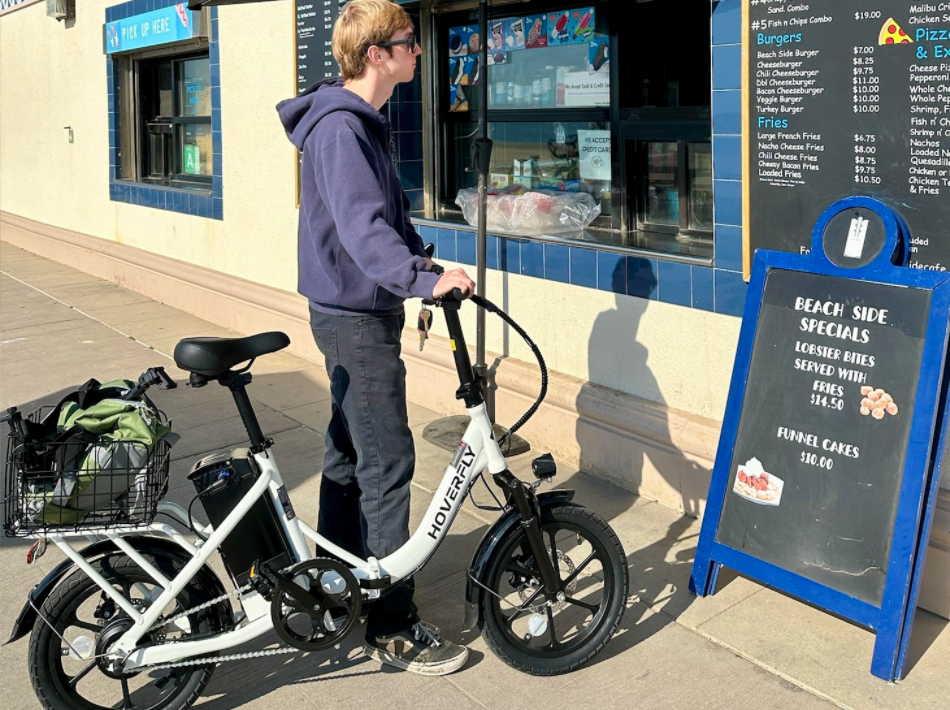
You want your e-bike battery to last for years, not just a few seasons.
The way you store it matters more than most riders realize.
Good storage slows aging, keeps your range strong, and helps you avoid expensive replacements.
In this guide, we’ll walk through how to store an electric bike battery without damage in different real-life situations: daily use, travel, small apartments, winter, and long-term storage.
What Happens If You Don’t Store an E-Bike Battery Properly?

If you don’t store your e-bike battery correctly, it ages faster, loses range, and becomes less reliable. The cells inside the pack are very sensitive to heat, overcharging, and sitting empty for long periods.
Over time, poor storage habits show up as:
- Shorter riding range
- Slower or uneven charging
- Sudden power drops or cut-offs
Reduced Battery Capacity Over Time
Lithium batteries hate two things: high heat and staying full for long periods. If you store your battery in a hot room or leave it at 100% for weeks, its capacity slowly drops.
You’ll notice that:
- The bike feels like it “runs out of juice” faster
- The range you used to get on familiar routes becomes shorter
This process is called capacity fade. It happens silently in the background, so good storage habits are your best defense.
Risk of Overheating or Swelling
When you leave the battery in your garage in the sun or subject to any form of heat, swelling might happen. This creates safety risks.
What Is the Right Battery Charge Level for Storage?
The best charge level for storing an e-bike battery is around 40%–60%, not 0% and not 100%.
Both extremes—fully charged and fully empty—put extra stress on the battery chemistry, especially if the pack sits unused for weeks or months.
Why a 40%–60% Charge Level Works Best?
At around half charge, the cells stay under less voltage stress, which:
- Slows down aging
- Reduces capacity loss over time
- Keeps the battery ready to ride with a quick top-up
If your battery has a percentage display, aim for 40–60%. If it only has bars, store it at about 2–3 bars out of 5.

Should You Fully Charge Before Storing Your E-Bike Battery?
No. You should not store your battery at 100% for long periods.
The complete charge exerts pressure in the cells. When the battery is left for weeks or months in this condition, internal components become weaker. Instead, keep the battery at half-level.
How Often Should You Check the Charge Level During Storage?
Most e-bike batteries slowly self-discharge even when not in use. A good rule of thumb is:
- Check the charge every 30–45 days
- If it’s dropped close to empty, charge it back to around 50%
This quick check helps you avoid one of the worst storage mistakes—letting the battery sit at very low voltage for too long.
How to Store an Electric Bike Battery Without Damage During Travel?
When you travel with your e-bike or spare battery, the pack still needs care. Heat, vibration, and long drives can all affect it.
Use a Shock-Proof Battery Case
Small internal vibrations are caused by travel bumps. You may prevent this by wearing a padded, shock-absorbent case. It holds the battery securely and is still within your car or your baggage.
Avoid Leaving the Battery in a Hot Car
The interior of cars becomes hot easily. Batteries can age faster when they are exposed to high temperatures. In case of long stopovers, always bring the battery in.
Keep the Charge Level Around 50% During Long Trips
When not in use, your battery works best at a mid-level charge. This will ensure that it remains stable and does not get hot during traveling.

How to Store an Electric Bike Battery Without Damage in Small Apartments
Even in a small apartment, you can store your e-bike battery safely. You don’t need a special workshop—just a clean, dry, and stable spot.
You can also use simple electric bike accessories like storage boxes to keep the battery safe.
Use a Dedicated Storage Box or Cabinet
A little dry cabinet is marvelous. You take care of the battery to keep it out of the heat and sunlight and clutter. It does not allow accidental knocks or spills as well.
Avoid Storing the Battery Near Electronics or Heaters
Electronics emit heat, and this has an impact on the health of the battery. Keep your battery away from routers, computers, microwaves, or heaters to avert increased temperatures.
Choose a Low-Humidity Room Corner
Battery terminals are sensitive to humidity. Choose a well-ventilated place like a shelf or a wardrobe in a bedroom. Your battery is always dry, clean, and stable.
How to Store an Electric Bike Battery Without Damage After Heavy Usage
After a long, fast ride, your battery is warm and has been working hard. Storing it correctly at this moment helps protect the cells.
Let the Battery Cool for 30 Minutes
The heat builds up following vigorous use. The natural cooling of the battery will prevent stress on the cells and will guarantee stable storage.
Check for Dust or Moisture Before Storing
Having a battery on a riding exposes it to dust or rain. Clean it with a dry cloth and then store it. This helps to avoid corrosion and maintain connectors.
Avoid Charging Immediately After a Long Ride
Warming a battery and charging it is a strain on the cells. Allow it to cool completely and to charge to 50 percent in case you wish to store it.
Where Should You Store an Electric Bike Battery Without Damage?
Ideal Temperature Range (10°C–20°C)
Your battery works well in low temperatures. The chemistry is maintained at a temperature of between 10 deg C and 20°C. Higher temperatures accelerate aging, and a freezing temperature retards the activity within the cells. Your storage space must never be unstable.
Avoiding Direct Sunlight and High-Humidity Areas
The heat increases with the sun. Moisture is precipitated by humidity. These are situations that damage lithium cells. Keep your battery in a dry, well-ventilated room. Check against basements, rooftops, or areas with moisture buildup.
Why Indoor Storage Is Always Safer
The indoor environments remain the same. The outdoor areas are exposed to heat, cold, and rain. By keeping your battery indoors, you never experience the change of temperatures. Your battery is clean, stable, and resistant to natural factors.
How to Prepare the Battery for Long-Term Storage?
Clean the Battery Contacts Before Storing
Battery terminals may accumulate dust and dirt. Wipe the contacts using a dry towel. This makes sure that there is no corrosion and that when you reuse your battery, all goes well.
Remove the Battery From the Bike Frame
You must always take out the battery when storing your bike for weeks or months. The frame takes up temperature variations. Easy removal of the battery will help keep the battery safe by avoiding exposure to the metal components and the environment.
Protect the Battery With a Soft Pouch or Case
An additional protective layer has a soft case. It protects the battery against bumps, drops, moisture, and dust. Everything is held by a mere pouch when storing.

How to Store Your Electric Bike Battery in Winter?
Why Cold Weather Affects Lithium Batteries
Low temperatures reduce the efficiency of the battery. You will experience some unforeseen loss of power when riding or charging.
In cases where the battery remains in a cold environment over a long period of time, internal parts become stiff. Your battery is safeguarded during winter.
Best Indoor Spots for Winter Storage
Find a warm and dry room at your home. Storage rooms, bedroom cabinets, or climate-controlled areas would be good. Beware of open garages since it gets too cold at night
What to Avoid During Snow Season
It is not advisable to leave your battery out in the cold. One should not charge in cold conditions, which put the cells under strain. Keep the battery away, and also do not put the battery close to the heaters.
What Mistakes to Avoid When Storing an Electric Bike Battery?
Storing a Fully Depleted Battery
An empty battery is damaged internally. Never store your battery at 0%. Low voltage causes stress and life is made short.
Leaving the Battery in the Bike Outdoors
The battery will be subjected to sun, rain, and cold when your e-bike is left outside. Get it out, and go in; it will be safer.
Using Non-Approved Chargers Before Storage
Uneven charging appears due to the cheap or incompatible chargers. This enhances the threat of cell imbalance. The charger should always be the original or the approved charger.
When Should You Replace an Electric Bike Battery?
Signs of Weak or Damaged Battery Cells. You can experience a lack of range, fast drops of power or prolonged charging periods. The battery requires attention as indicated by these signs. In case the problem escalates, then it must be replaced.
Conclusion
Thanks for reading. You now know exactly how to store your e-bike battery the right way—keep it partially charged, avoid heat, and check it every month or so. These simple habits add years to your battery and keep every ride smooth and predictable.
If you want more real-world tips on taking care of your e-bike, we share practical guides and rider-friendly advice here at Hoverfly. Stick with these steps, and your battery will stay healthy season after season.
FAQs About How to Store an Electric Bike Battery
1. Will freezing temperatures permanently damage an e-bike battery?
Yes. Freezing temperatures can cause internal lithium plating, which permanently reduces battery capacity. If your battery has been exposed to freezing weather, let it warm up to room temperature before turning it on or charging it.
2. Should I leave my e-bike battery plugged in during storage?
No. Do not keep your battery connected to the charger while in storage. Lithium batteries don’t need “trickle charging,” and staying plugged in can stress the cells. Charge to 40–60% and unplug it.
3. Is it safe to store an e-bike battery inside my home?
Yes, indoor storage is generally the safest option. Just avoid areas near heat sources, direct sunlight, or high-humidity rooms like bathrooms. A closet, bedroom shelf, or climate-controlled storage cabinet works well.
4. Can I store my e-bike battery in a fireproof box?
Yes, a fireproof battery box or Li-ion safety bag is a good idea if you want extra protection. It helps contain heat in the rare event of failure and prevents damage from bumps, drops, or moisture.
5. How do I know if my battery is no longer safe to store or use?
Stop using the battery if you notice swelling, unusual odors, excessive heat, or a sudden decrease in range. These are signs of internal damage. Store it outside your living area and contact your e-bike dealer or recycler for safe disposal.




Leave a comment
All comments are moderated before being published.
This site is protected by hCaptcha and the hCaptcha Privacy Policy and Terms of Service apply.