
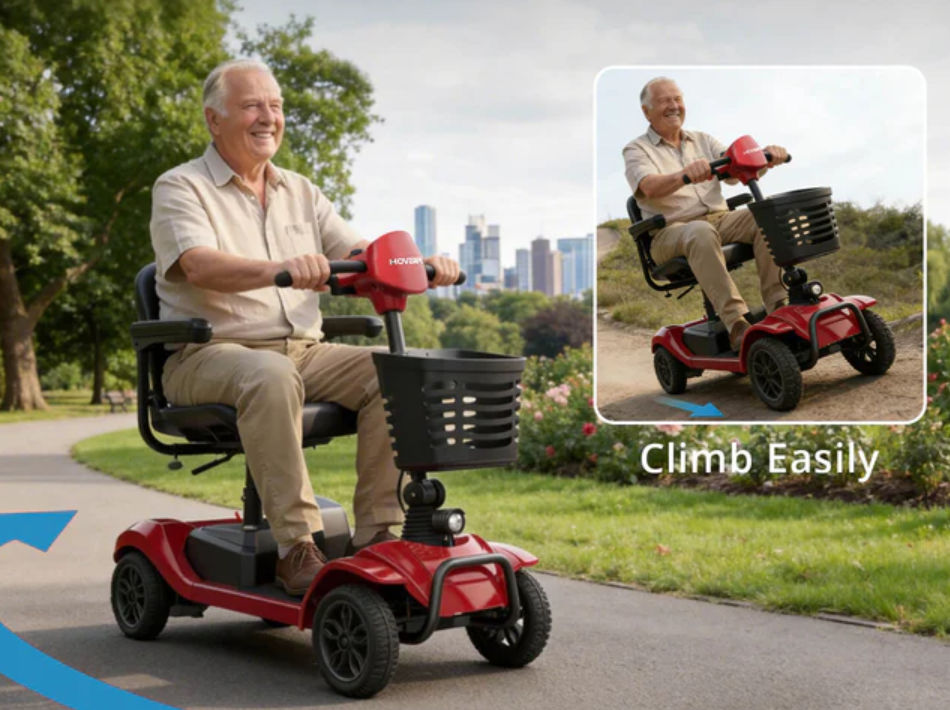
Choosing the best scooter for elderly users is not about one specific type of scooter.
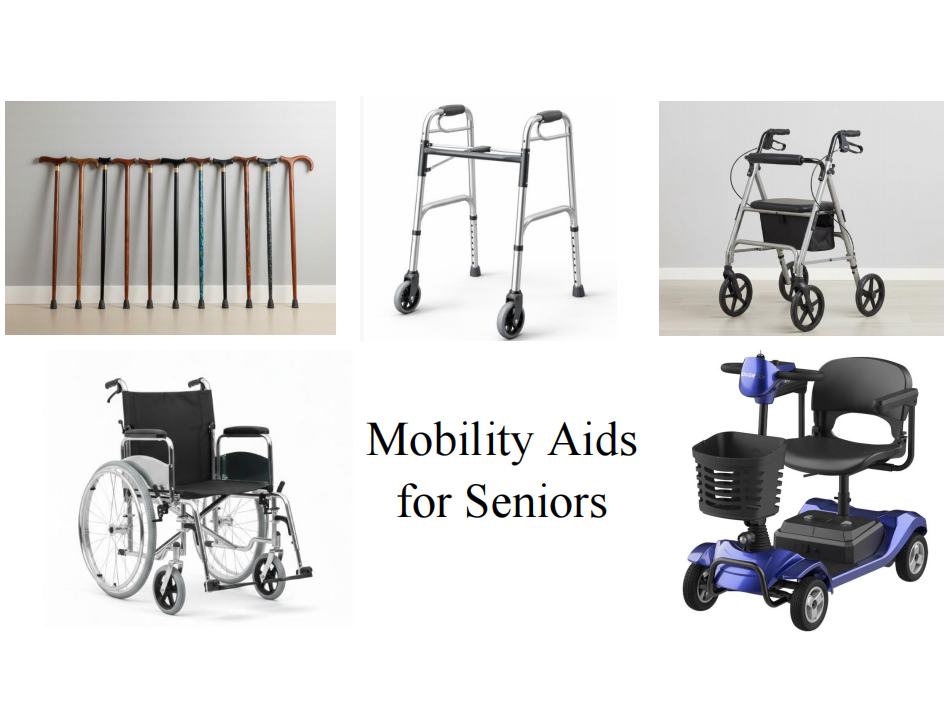
Today, seniors can choose from mobility scooters, seated electric scooters, lightweight travel scooters, and other stable low-speed scooters designed for comfort and safety.
The key is not the label, but how well the scooter fits daily routines, indoor space, outdoor surfaces, and physical comfort.
This guide helps you compare different scooter options for elderly riders, avoid common mistakes, and choose a model that feels natural and safe to use.
What Seniors Really Need From a Scooter
Most seniors are not looking for speed or advanced features. They want a scooter that feels comfortable, predictable, and easy to live with.
- Physical comfort matters more than speed. A supportive seat, relaxed arm position, and upright posture reduce strain on joints and the lower back.
- Confidence comes from stability. Smooth steering, predictable braking, and a planted feel on slopes all affect whether a scooter feels safe to use.
- Ease of use shapes daily enjoyment. Controls should be simple, readable, and responsive without sudden movements.
- Fit within real living space matters. Doorways, hallways, elevators, and storage areas often decide whether a scooter gets used or sits unused.
Keeping these priorities in mind helps filter out scooters that look impressive but feel impractical in daily life.
What Types of Scooters Are Suitable for Elderly Users?
There is no single “best” scooter for every senior. Different scooter types suit different routines and environments.
Mobility Scooters (One Common Option)

Mobility scooters are designed specifically for seated, low-speed travel with an emphasis on stability and comfort. Many elderly users choose them for everyday errands, neighborhood rides, and mixed indoor–outdoor use. They are easy to operate and feel predictable, which appeals to riders who value confidence over speed.
Seated Electric Scooters
Some elderly users prefer seated electric scooters that look more like compact electric vehicles than medical equipment. These can work well for short outdoor trips on smooth surfaces, as long as speed is limited and stability is sufficient. They are less common indoors and require careful consideration of balance and braking behavior.
Lightweight and Travel Scooters

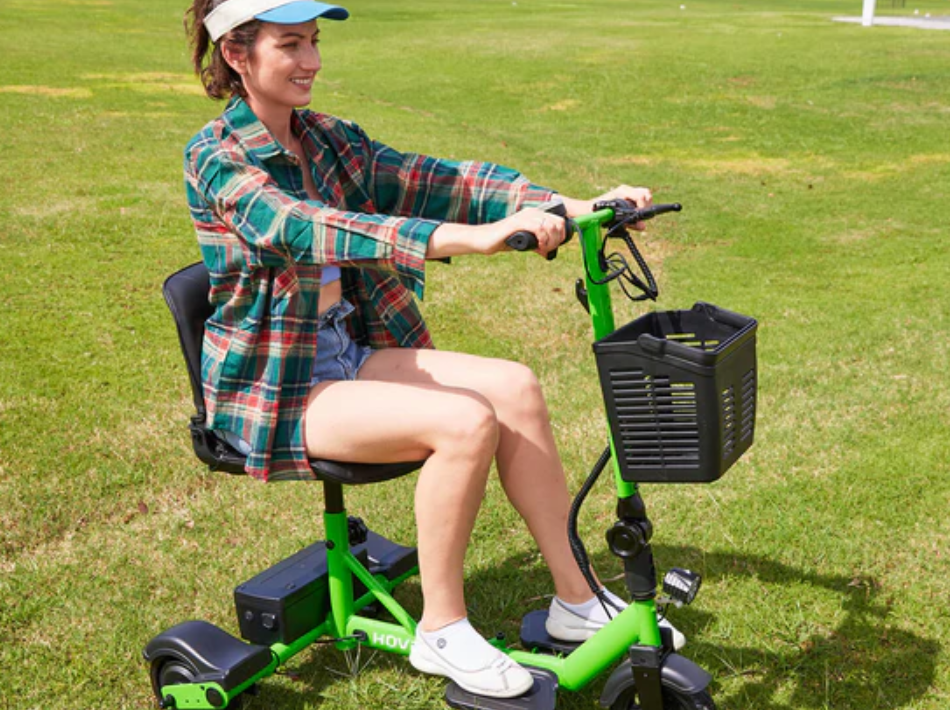
Lightweight foldable mobility scooter focuses on portability. They are ideal for seniors who rely on family transportation, travel frequently, or need to store a scooter in a car trunk or a small space. Comfort and range are usually more limited, but convenience is high.
Compact vs Full-Size Scooters
Compact scooters are easier to maneuver indoors and around tight corners. Full-size scooters feel more confident outdoors, especially on uneven sidewalks or gentle slopes. The best choice depends on where the scooter will be used most, not on how large or powerful it looks.
Which Comfort Features Matter Most for Elderly Users?
Comfort often determines whether a scooter feels helpful or exhausting.
Seat Design and Support
A well-padded seat with proper back support reduces pressure during longer rides. Seat width should allow a relaxed posture without squeezing the hips. Swivel seats make getting on and off easier, especially for riders with limited hip or knee mobility.
Armrests and Controls
Flip-up armrests help with transfers. Arm height should keep shoulders relaxed rather than raised. Controls should be reachable without leaning forward, which can strain the back.
Footwell Space
Adequate legroom prevents cramped positioning. A flat, stable footwell supports proper foot placement and easier mounting.
What Safety Features Make a Scooter Feel More Stable?
Safety is not only about avoiding accidents—it is about how secure a rider feels while moving.
Stability and Balance
Four-wheel scooters often feel more stable outdoors, while three-wheel scooters usually turn more easily indoors. Wheelbase length and center of gravity affect balance when turning or riding on slopes.
Braking and Speed Control
Smooth, predictable braking builds trust. Scooters that slow down and stop consistently help elderly riders feel in control in tight or crowded spaces.
Visibility
Lights and reflectors improve visibility in low-light conditions. Clear displays and simple indicators help riders understand speed and battery status at a glance.
Indoor vs Outdoor Use: How to Choose What Fits Your Routine

The best scooter for elderly users depends heavily on where it will be used most.
- Mostly indoor use: Narrow scooters with small turning circles handle doorways, elevators, and furniture more easily.
- Mixed indoor and outdoor use: Mid-size scooters often provide the best balance of comfort, maneuverability, and outdoor confidence.
- Mostly outdoor use: Larger wheels, higher ground clearance, and a steadier stance improve comfort on sidewalks, parks, and uneven surfaces.
Choosing based on routine rather than appearance helps prevent regret later.
How Weight Capacity and Frame Size Affect the Riding Experience
Weight capacity influences more than safety—it affects ride quality and durability. A scooter rated comfortably above the rider’s weight often feels smoother and less strained over time.
Frame size also affects stability. Scooters that feel solid during turns and on ramps tend to inspire more confidence, especially for elderly riders who value predictability.
Battery Range and Charging Considerations
Battery range determines how freely a rider can move without worrying about running out of power. Indoor use usually requires less range, while outdoor errands demand more.
Charging setup matters too. Some seniors prefer removable batteries that can be charged indoors. Others rely on fixed charging points in garages or storage areas. Clear battery indicators reduce uncertainty during daily use.
Ease of Transport and Storage

Transport and storage often become deciding factors.
Seniors who rely on family for transportation benefit from scooters that break down into manageable parts. The weight of the heaviest piece matters more than the total weight. At home, storage space should allow easy parking without blocking walkways.
Frequent travelers often prefer lightweight scooters that fit into car trunks or hotel rooms with minimal effort.
Long-Term Use and Maintenance Expectations
Most scooters require basic care rather than complex maintenance. Regular charging helps preserve battery health. Simple cleaning, tire checks, and occasional inspections keep performance consistent.
Many elderly users prefer scooters with straightforward maintenance routines that support peace of mind.
Cost vs Value: What Matters Over Time
Price alone rarely predicts satisfaction. A slightly higher investment often yields greater comfort, stronger frames, and a longer service life.
For most seniors, daily ease and confidence matter far more than saving money upfront.
Common Mistakes When Choosing a Scooter for Elderly Users
Many regrets come from a few common patterns:
- Choosing a scooter that feels too large indoors
- Picking a compact scooter that feels unstable outdoors
- Ignoring seat comfort during longer rides
- Overlooking storage and charging logistics
Most of these mistakes happen when buyers focus on specifications or appearance instead of daily use. Measuring space and testing scooters whenever possible helps reduce risk.
Final Thoughts: Choosing the Best Scooter for Elderly Users
The best scooter for elderly users fits naturally into daily life. It moves easily through the home, feels steady outdoors, comfortably supports the body, and adapts to real routines.
Start by considering where the scooter will be used most, then focus on comfort, stability, and ease of use. Measuring space and comparing different scooter styles side by side leads to better decisions than chasing specifications.
A thoughtful choice brings freedom, confidence, and ease—not just mobility.
FAQs
1. What is the best scooter for elderly users who are buying their first scooter?
For first-time elderly users, the best scooter is usually a stable, seated scooter with simple controls and a low top speed. Ease of turning, smooth braking, and seat comfort matter more than power or range. Many beginners prefer scooters that feel predictable and forgiving rather than compact or sporty models.
2. Can elderly users safely use scooters indoors?
Yes, many scooters are suitable for indoor use, but size and turning radius matter more than scooter type. Narrow scooters with tight turning circles work best in homes, apartments, and assisted living spaces. Before buying, measure doorways and test whether the scooter can turn comfortably in hallways and kitchens.
3. What is the most common mistake seniors make when choosing a scooter?
The most common mistake is choosing a scooter based on appearance or specifications instead of the daily routine. Scooters that look powerful may feel too large indoors, while very compact models may feel unstable outdoors. Matching the scooter to where it will be used most leads to better long-term satisfaction.
4. Are electric scooters without medical features suitable for elderly users?
Some electric scooters without medical-style designs can work well for elderly users, especially for short outdoor trips on smooth surfaces. However, they must offer stable seating, controlled speed, and predictable braking. Not all electric scooters are suitable, so comfort and stability should always be evaluated first.
5. How long does it take to get comfortable using a scooter?
Most elderly users become comfortable within a few short practice sessions, often over several days. Starting in a quiet, open area helps build confidence. Practicing basic movements—starting, stopping, turning, and parking—matters more than riding for long distances early on.



Leave a comment
All comments are moderated before being published.
This site is protected by hCaptcha and the hCaptcha Privacy Policy and Terms of Service apply.