
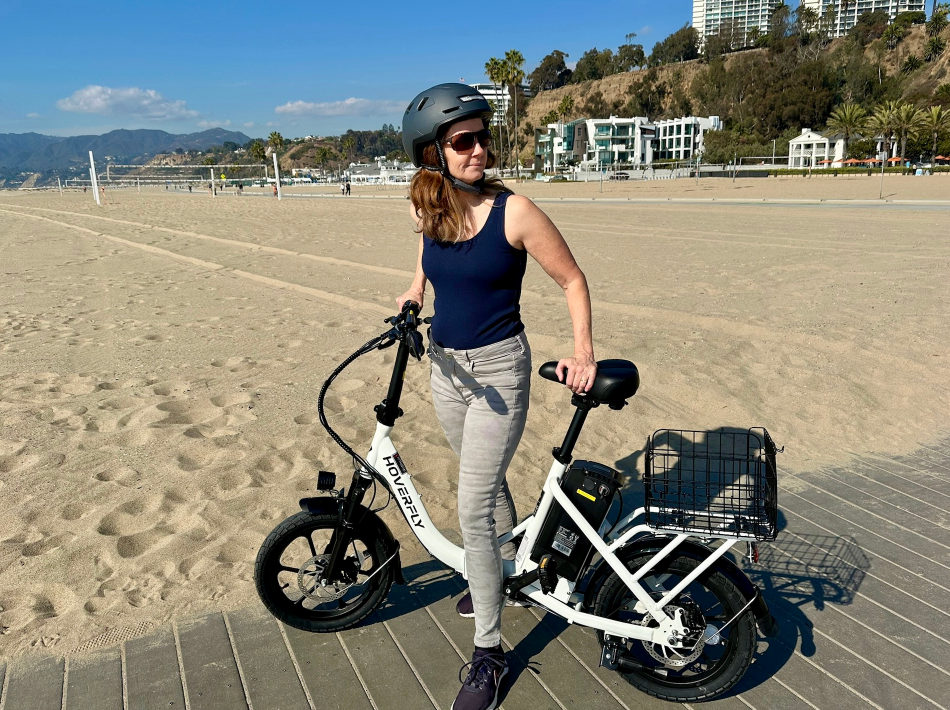
Short answer: Most electric bikes are water-resistant, not fully waterproof.
You can usually ride an e-bike in light to moderate rain if it has a decent IP rating and you treat it properly; however, it's best to avoid deep water, flooding, and storms.
In this guide, we’ll walk through how water affects e-bikes, what “waterproof” really means, how to ride safely in the rain, and what to look for if you want a rain-friendly electric bike.
What Should You Know About Electric Bikes and Water?
Electric bikes can handle everyday wet conditions like light rain and splashes, but their electrical parts need more care than a regular bike.
What Is an Electric Bike?
An electric bike (e-bike) is a bicycle with three main electronic components:
- Motor: Helps you pedal or drive the wheel.
- Battery: Stores power to run the motor and electronics.
-
Controller and Display: Manage speed, power, and assist modes.
All these parts contain circuits, seals, and connectors that are more sensitive to water than a normal bike frame, chain, and wheels. If water gets inside, it can cause shorts, corrosion, or long-term performance loss.

How Is an E-Bike Different from a Regular Bike in the Rain?
On a regular bike in the rain, you usually just:
- Dry the chain.
- Wipe the frame.
-
Re-lube moving parts.
On an e-bike, you still do all of that, but you also have to think about:
- Seals around the battery case.
- Connectors between cables and the motor.
- Display screen and buttons.
A normal bike can bounce through puddles with little risk. An e-bike can do that too if it’s built well and maintained, but repeated heavy splashing or partial submersion increases the chance of water sneaking into sensitive areas.
How Does Rain Affect Riding Comfort and Safety?
The whole experience is different when one rides in wet weather.
The road turns out to be slippery, brakes are slower to engage and your visibility is low.
Water and grit can increase wear on the motor area and drivetrain over time.
In order to remain safe, one should use tires with more pronounced tread, brake very softly and drive at a constant pace.
Adequate waterproof attire will help ensure that even when it rains, you can enjoy your rides and this will help minimize damage to the components of your e-bike.

Are Electric Bikes Actually Waterproof?
Most electric bikes are rated for water resistance, not full waterproofing. That means they can handle rain and splashes but shouldn’t be submerged or sprayed with high-pressure water.
Understanding Water Resistance Ratings (IP Ratings)
Manufacturers use Ingress Protection (IP) ratings to describe how well parts resist dust and water. For e-bikes, you often see:
- IPX4: Protected from splashes from any direction. Fine for light rain and wet roads.
- IPX5: Handles low-pressure water jets. Better for regular riding in moderate rain.
- IPX6: Resists high-pressure water jets. Good protection in heavy rain and strong spray.
- IP67: Sealed against dust and can handle temporary immersion in shallow water.
Always check the IP rating for battery, motor, and display, as each component may have different protection levels. Higher ratings offer greater confidence in wet conditions.
Which E-Bike Parts Are Most Vulnerable in the Rain?
In wet weather, your e-bike will require some additional attention in some of its parts:
- Battery: Water inside the pack or case can cause short circuits, corrosion, and permanent capacity loss.
- Motor: Dirt and water may decrease the performance or may tend to corrode the internal parts.
- Display Panel: Uncovered monitors are flickering and may break down when there is water leakage.
- Connectors and Cables: Cables that have been lost or broken are waterways.
Check these parts on a regular basis. When the seals or covers of your bike look worn out, then change them as soon as possible in order to avoid damage in the long run.
How Do Manufacturers Test Water Resistance?
To assign IP ratings, manufacturers:
-
Use rain chambers that simulate controlled rainfall.
-
Spray water jets at specific angles and pressures.
These tests are helpful, but they’re still controlled. Real rain changes direction, intensity, and temperature. Puddles can be deeper than they look. In short: an IP rating is a guide, not a magical shield.
Why Can Real-World Rain Be Harsher Than Lab Tests?
In the real world:
-
You hit potholes that splash water up from below.
-
Mud, salt, and sand mix with water and attack seals.
-
Strong wind can blow rain into tiny openings.
-
Your bike may sit outside wet for hours.
So even if your e-bike passed its lab tests, you still need to ride with common sense and care for it afterward.
Can You Ride an E-Bike in the Rain?
Is It OK to Ride in Light vs Heavy Rain?
Light rain or drizzle
- Safe for most modern e-bikes with at least IPX4
- Electronics stay protected if the covers and seals are in good shape
Heavy rain or downpour
- Higher risk of water reaching connectors and vulnerable spots
- Visibility drops for both you and drivers
If the rain becomes very heavy or you can barely see, it’s better to stop, find shelter, and wait until conditions improve.
How Wet Roads Affect Braking and Traction
Wet roads decrease the grip of the tires, and it is difficult to stop in a short time. Disc-braked e-bikes perform better in these circumstances than rim-braked e-bikes.
Remember to drive at a steady pace, brakes have to be applied early, and sharp turns should be avoided. Wet surface tires will give you a lot more control.
Tips for Riding Safely in Rain
- Wear waterproof clothes and gloves.
- You should have a helmet that is equipped with a visor to ensure that you can see.
- Put on anti-fog spray on your lenses or the pair of glasses.
- Please leave the lights on to be more visible.
- Puddles should be avoided because they conceal potholes.
Such little safety practices make a big difference when riding a bike on a damp street.
How Rain Affects Battery Performance
Rain itself doesn’t automatically harm a healthy battery, but moisture and cold do have effects:
-
Range can drop temporarily in cold, wet weather
-
Moisture around contacts raises the risk of corrosion
-
Water inside the battery case can cause long-term damage
To protect your battery in the rain:
-
Use a protective sleeve or cover, especially in cold weather
-
Remove the battery when storing the bike indoors
-
Always dry the battery and charge port before charging
- Never charge a battery that looks visibly wet
Manufacturer Recommendations for Rain Riding
Most quality e-bike brands suggest that you:
-
Check and respect the IP rating of your bike
-
Keep connectors and charge ports covered when not in use
-
Wipe the bike down after wet rides, especially around electronics
-
Apply dielectric grease on exposed connectors to resist moisture
-
Avoid pressure washers or high-pressure hoses completely
These habits are simple but can add years to your e-bike’s life.

Which Accessories Help Your E-Bike Handle Rain Better?
Fenders and Mudguards
Fenders are necessary in order to ensure that water and mud do not splash on your clothes and bike parts. They cushion the sensitive parts such as the chain, motor, and battery against the accumulation of grime. Permanent mudguards can be installed to make the rainy ride clean, safe and more enjoyable.
Waterproof Storage and Bags
Panniers or backpacks are waterproof and a necessity when bicycle riding in the rain. They store your gadgets, phone, and personal items and make sure they are not affected by the rain. Sealed zippers and durable, waterproof fabrics are to be sought after to provide the most protection in the long run.
Handlebar and Seat Covers
Rain may cause your handlebars and seat to be very slippery thus compromising on comfort and control. These parts are shielded with waterproof covers which ensure that these parts remain dry and steady. They can also be removed and cleaned after each ride and save time and effort.
Tire and Brake Upgrades for Wet Conditions
Wet weather impacts grip; so quality tires and brakes are critical when it is wet. Use tires that have deeper treads and ones that are of soft rubber, as this will help in enhancing traction on the slick roads. Hydraulic or disc brakes are most effective in the rain and provide a more efficient and quicker stopping force.
Protective Covers for Battery and Display
Silicone or rubber-made water-resistant covers cover your display and battery in your e-bike. These covers keep the electrical parts out of the splashes, dust, and moisture. This can be added to ensure that your e-bike will last longer and will be able to perform well throughout the year.
How Should You Clean and Dry Your E-Bike After Rain?
After a wet ride, a simple routine helps prevent long-term damage:
-
Turn off the system and, if possible, remove the battery.
-
Wipe down the frame, fork, and wheels with a soft cloth.
-
Dry the battery case, display, and connectors carefully.
-
Remove heavy mud with a damp cloth or low-pressure water—never with a high-pressure jet.
The sooner you remove water and grit, the less chance they have to work into seals and joints.
Buying Guide: Choosing a Rain-Friendly Electric Bike
Look for IP-Rated Components
Select an e-bike that has the IP rating of IPX5 or above under different circumstances when you ride during rainy seasons. The higher the rating, the more protection it has against splashes and rain.
Fully Enclosed Motors and Wiring Systems
Mid-drive or enclosed motors survive water well as opposed to the hub motors. Short circuits are inhibited by tightly closed wiring. These are the tips to always verify before buying.
Brakes and Tires Designed for Wet Conditions
Disc brakes are hydraulic, which is favored in rainy weather. Install them with all-weather tires to enhance control. These enhancements are safety and comfort.
Recommended Brands Known for Water Resistance
Such brands as Hoverfly are oriented on the durability and design of bikes in accordance with the weather variability. Most models are high IP-rated, have sealed batteries and can be corrosion-proof so that they can be used for all season riding.
Accessories to Consider for Rainy Weather
Include fenders, waterproof lights and closed connectors. These little investments are enough to prepare your bike to be ridden all year round.

What All-Weather Safety and Health Tips Should You Follow?
How Do Cold and Rain Together Change Your Ride?
Cold rain affects both your e-bike and your body:
-
Battery range drops in cold temperatures
-
Cold hands and feet react more slowly
-
You tire faster and may lose focus sooner
To stay safe and comfortable:
-
Use a battery cover in very cold weather
-
Dress in layers so you can adjust as you warm up
-
Wear insulated, waterproof gloves and shoe covers
If you start to feel very cold, shaky, or unusually tired, it’s time to stop, dry off, and warm up.
How Can You Ride Safely at Night or in Extreme Weather?
Night + rain is a challenging combination:
-
Use a strong front light and a flashing rear light
-
Add reflective strips to your clothes, helmet, or bags
-
Ride slower than usual and leave more space to brake
Avoid riding during:
- Thunderstorms with lightning
- Very strong winds
- Heavy downpours where visibility is poor
In those conditions, waiting is safer than pushing through.
How Should You Plan Longer Rides in Wet Conditions?
For longer rides in wet or changeable weather:
-
Check the weather forecast and route beforehand
-
Avoid low-lying areas known for flooding
-
Carry essentials such as:
A compact rain poncho
A basic tool kit and a spare tube
A power bank or spare battery if you ride long distances
Preparation changes a wet ride from stressful to manageable.
Final Words: Can You Ride an E-Bike in the Rain
You can ride an electric bike in the rain—and for many riders, it’s part of everyday commuting.
There is absolutely nothing wrong with riding in the rain as long as you know the effects that water has on your e-bike and how to cover it.
Knowing models that are water-resistant ensures that there are safe and enjoyable rides throughout the year.
At Hoverfly, we create high-quality electric bikes that everyone can use and are effective even during wet weather. Our e-bikes are safe, comfortable, and built with high water resistance for everyday commuting.
FAQs About Are Electric Bikes Waterproof?
1. Is it safe to ride an e-bike in a thunderstorm?
No. You should avoid riding in lightning, extreme wind, or severe storms. Find shelter and wait until the weather improves before you continue.
2. Can rain permanently damage the battery?
Yes—if water gets inside the battery case or stays around the contacts, it can cause corrosion and long-term damage. Keep the battery sealed, dry it after wet rides, and never charge it when it’s wet.
3. Can I wash my e-bike with a hose?
You can use low-pressure water carefully, but never a pressure washer or strong jet. High pressure can push water past seals into the motor, battery, and connectors. A bucket, spray bottle, and soft cloth are safer choices.
4. Do all e-bike models handle rain the same way?
No. Different models have different IP ratings, seals, and cable designs. Always check how your specific e-bike is rated and follow the manufacturer’s recommendations before riding often in the rain.




Leave a comment
All comments are moderated before being published.
This site is protected by hCaptcha and the hCaptcha Privacy Policy and Terms of Service apply.