
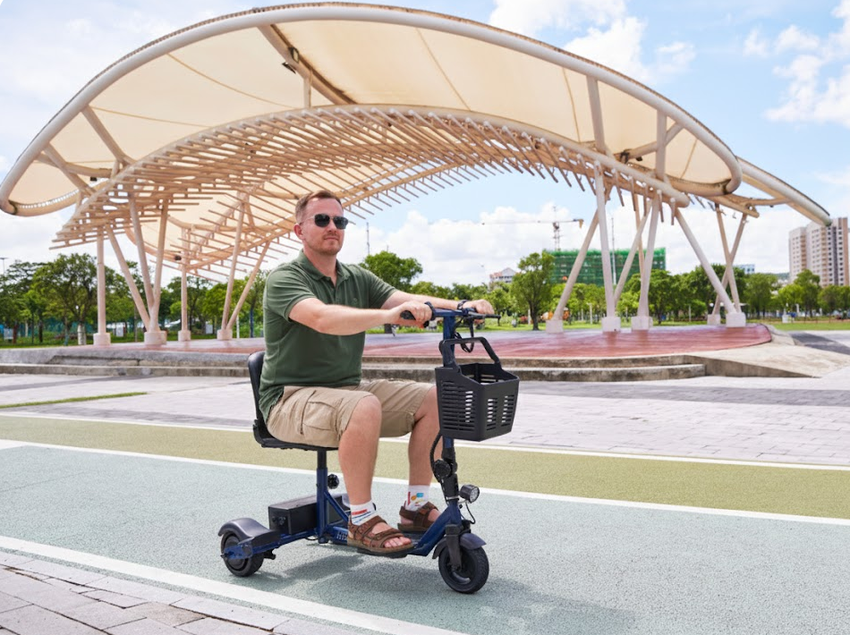
A 3-wheel mobility scooter is often a great choice for seniors who need easy indoor maneuvering, lighter steering, and simple daily travel.
If you live in an apartment, shop often, or want a scooter that feels easy to control, a 3-wheel model can make everyday movement much less tiring.
In this guide, we’ll walk you through how 3-wheel mobility scooters work, who they’re best for, and what features actually matter.
By the end, you’ll know whether a 3-wheel scooter fits your lifestyle—and how to choose the right one with confidence.
What Is a 3-Wheel Mobility Scooter?
A 3-wheel mobility scooter is an electric scooter designed to help seniors move independently with less physical effort.
It’s built for everyday activities like moving around the house, shopping, visiting friends, or running short errands.
Unlike a wheelchair, a 3-wheel scooter uses a motor to handle most of the work. You steer, control the speed, and enjoy a smoother ride—without pushing or straining your arms.
When should you choose a 3-wheel scooter over a wheelchair?
Choose a 3-wheel mobility scooter if you want to travel farther, reduce physical effort, and move comfortably both indoors and on smooth outdoor paths.
Why Are 3-Wheel Mobility Scooters a Good Choice for Seniors?

3-wheel mobility scooters work especially well for seniors who value easy steering, indoor mobility, and everyday comfort.
Their design focuses on control and convenience rather than rough-terrain performance.
Excellent Maneuverability
3-wheel mobility scooters turn tightly, which makes them ideal for narrow hallways, kitchens, elevators, and store aisles. The single front wheel allows smoother turns and easier navigation in apartments and smaller living spaces.
Lightweight and Easy to Control
Most 3-wheel scooters weigh less than comparable 4-wheel models. That lighter frame reduces strain on your hands and shoulders, which is helpful if you have arthritis or limited upper-body strength. Steering feels smoother, especially at low speeds.
Comfortable Seating and Open Legroom
The single front wheel leaves extra space for your legs. Many models also include swivel seats and padded armrests, making it easier to sit down, stand up, and stay comfortable during longer rides.
What Are the Key Factors to Consider Before Buying a 3-Wheel Mobility Scooter?
Choosing the right 3-wheel mobility scooter comes down to fit, range, control, and daily use. Here are the factors that matter most—and how to judge them.
Weight Capacity And Scooter Size
Always choose a scooter that comfortably supports your body weight, not just meets the minimum rating.
Most 3-wheel scooters support a weight capacity of 250–350 lbs. If you’re close to the limit, a higher capacity model will feel more stable and last longer. Seat width and legroom also matter—cramped seating quickly turns daily rides into a chore.
Battery Range And Charging Time
Most 3-wheel scooters travel 10–20 miles on a single charge, which is more than enough for daily errands and short outings.
If you mainly use your scooter indoors or around your neighborhood, a shorter range works fine.
For frequent outdoor trips, aim closer to the higher end. Charging usually takes 6–8 hours, so overnight charging is the easiest routine.

Speed And Motor Performance
A top speed of 3–5 mph is ideal for seniors. It feels safe indoors and steady outdoors.
Higher speeds sound appealing, but often reduce control in tight spaces. If you plan to ride on gentle slopes or sidewalks, a stronger motor matters more than extra speed.
Portability And Transport
If you travel often, portability becomes a priority.
- Foldable scooters: collapse into one piece and store easily.
-
Disassemblable scooters: break into lighter sections for car transport.
Choose based on how often you lift or load the scooter yourself.
Comfort Features
Comfort affects how long you enjoy riding. Adjustable seat height, padded armrests, back support, and basic suspension all reduce strain on your hips and back. Small details—like ergonomic controls—make a big difference during longer rides.
Safety Features For Seniors
Look for anti-tip wheels, bright headlights, reflectors, and a horn. These features improve visibility and stability, especially in low-light areas or crowded spaces. Easy-to-reach controls also help prevent sudden mistakes.
3-Wheel vs 4-Wheel Mobility Scooters: Which Is Better for Seniors?
The main difference between 3-wheel and 4-wheel mobility scooters comes down to maneuverability versus stability.
Neither option is better for everyone—the right choice depends on where you ride and how much control or balance you need.
Quick Comparison: 3-Wheel vs 4-Wheel Mobility Scooters for Seniors
| Feature | 3-Wheel Mobility Scooter | 4-Wheel Mobility Scooter |
| Stability | Moderate, best on flat surfaces | Higher, better on uneven ground |
| Turning Radius | Tight turns, ideal for indoor use | Wider turns need more space |
| Weight | Lighter and easier to transport | Heavier and more rugged |
| Ease of Steering | Easier to steer with less hand strength | Feels steadier but heavier to turn |
| Best Environment | Apartments, hallways, stores | Outdoor paths, grass, rough terrain |
| Typical Use | Daily errands and indoor movement | Longer outdoor rides and uneven surfaces |
Choose a 3-wheel mobility scooter if you live in an apartment, spend most of your time indoors, or want easier steering in tight spaces.
Choose a 4-wheel mobility scooter if you often ride outdoors or need maximum stability on uneven surfaces.
Who Should Choose a 3-Wheel Mobility Scooter?

A 3-wheel mobility scooter is best for seniors who prioritize easy steering, indoor mobility, and daily comfort over rough-terrain stability.
If most of your riding happens in controlled environments, a 3-wheel model usually feels simpler and less tiring to use.
A 3-wheel mobility scooter is a good fit if one or more of the following apply to you:
- You live in an apartment or smaller home: Tight hallways, doorways, and elevators are easier to navigate with a shorter turning radius.
- You spend more time indoors than outdoors: Grocery stores, malls, clinics, and community centers are where 3-wheel scooters perform best.
- You prefer lighter steering: If hand strength or joint comfort is a concern, a lighter front end makes daily riding easier.
- You run short, frequent errands: Trips to nearby shops or visits with friends don’t require heavy-duty suspension or off-road stability.
- You value comfort and simplicity: Open legroom, swivel seats, and straightforward controls matter more than outdoor performance.
A 3-wheel scooter may not be ideal if you regularly ride on grass, gravel, or uneven sidewalks. In those cases, a 4-wheel model usually offers better balance and confidence.
How to Safely Use a 3-Wheel Mobility Scooter?

Safe use of a 3-wheel mobility scooter depends on smooth control, steady turning, and basic daily checks.
Because 3-wheel scooters turn more tightly, good habits matter even more—especially indoors.
Get On and Off Safely
Use the swivel seat and armrests every time you sit down or stand up. Lock the scooter before getting on or off to prevent rolling.
Practice Turning and Braking
Start in open areas and practice wide, controlled turns. Slow down before turning, and apply the brakes gently. Sudden movements can affect balance.
Use Ramps and Sidewalks With Care
Approach ramps straight on and move at a steady speed. Avoid sharp turns on slopes, and stay on smooth sidewalks whenever possible.
Maintain Battery Health
Charge the battery regularly and avoid letting it drain completely. Clean battery contacts from time to time to keep power delivery stable.
Check Key Parts Regularly
Inspect tires, brakes, lights, and the horn on a routine basis. Simple checks help prevent unexpected issues and keep daily rides smooth and reliable.
Common Mistakes Seniors Make When Buying Mobility Scooters
Most buying mistakes come from focusing on price or appearance instead of daily comfort and fit.
Avoid these common issues before choosing a 3-wheel mobility scooter.
-
Choosing the cheapest option: Low price often means less comfort, shorter battery life, or weaker components.
-
Ignoring seat comfort and legroom: Poor seating quickly leads to back or hip discomfort during daily use.
-
Buying a scooter that’s too heavy: Heavier models are harder to transport and store, especially for solo users.
- Overlooking indoor maneuverability: Turning radius matters more than speed for indoor riding.
- Underestimating battery range: Short outdoor trips add up faster than expected, especially when running errands.
Taking time to match the scooter to your daily routine prevents frustration later.
Final Verdict
For seniors who spend most of their time indoors or on smooth paths, a 3-wheel mobility scooter offers a practical balance of control, comfort, and simplicity.
The Hoverfly T3 is designed with these everyday needs in mind. Its compact 3-wheel design, comfortable seating, and easy steering make it a strong option for daily indoor mobility and short trips.
At Hoverfly, we focus on building 3-wheel mobility scooters that support real daily use. If you’re ready to explore your options, you can compare our current models and find the one that fits your lifestyle with confidence.
FAQs About 3-Wheel Mobility Scooters for Seniors
1. Are 3-wheel mobility scooters good for seniors?
Yes, 3-wheel scooters are a good option for many seniors, especially for indoor and everyday use.
They are easier to steer, turn more tightly, and usually feel less tiring to control than heavier 4-wheel models.
2. Which is safer, a 3 or 4-wheel mobility scooter?
Neither is universally safer—the safer option depends on where you ride most.
3-wheel scooters are safe and stable on flat indoor surfaces, while 4-wheel scooters feel safer on uneven ground, slopes, or outdoor paths.
3. Can seniors use 3-wheel scooters outdoors?
Yes. Numerous models can be used in short outdoor trips without risk; however, close attention should be paid to the uneven surface.
4. How long does the battery last?
The battery life is usually at 10-20 miles per charge, which depends on terrain and weight.
5. Who should not use a mobility scooter?
Mobility scooters may not be suitable for people who cannot sit upright safely or operate basic steering controls.
They are also not ideal for users who need constant assistance or frequently travel on very uneven or rough terrain.



Leave a comment
All comments are moderated before being published.
This site is protected by hCaptcha and the hCaptcha Privacy Policy and Terms of Service apply.