
Arthritis can make everyday movement harder, and many seniors are not sure which mobility aid is right for them. The wrong cane, walker, scooter, or chair may feel uncomfortable and even add stress to painful joints. At Hoverfly, we understand that staying mobile is key to your independence. We've put together this practical guide to help you choose the right aid for your needs.
Key Takeaways
- Match the aid to the joint, then verify arthritis-friendly features.
- Loop brakes, thumb throttles, and 1.25-inch foam grips are non-negotiable for arthritic hands.
- Switch from a walker to a powered seated option once pain-free walking falls below 500 feet.
- Medicare Part B may cover medically necessary mobility equipment when prescribed.
- Get fitted by an occupational therapist before any major purchase.
How Arthritis Affects Mobility in Seniors
Arthritis comes in two forms, and the difference matters when you're picking a mobility aid. Osteoarthritis is the "wear-and-tear" kind, where joint cartilage thins over the years and hurts more with use; it affects an estimated 32.5 million U.S. adults. Rheumatoid arthritis is different — the immune system attacks the joints. It often targets the smaller joints first, like your hands and wrists, making it hard to squeeze a brake lever when you need to stop.
The hands, knees, hips, and lower back take the hardest beating, which is why the Arthritis Foundation's 16 joint-protection tips recommend letting bigger joints carry the load.
Match the Aid to the Joint: Decision Guide

Hand and Wrist Arthritis
For hand or wrist arthritis, avoid mobility aids that require a strong or repeated squeeze. A quad cane with an oversized foam grip can provide support without forcing a tight grip. Reacher grabbers with easy lever handles help pick up items without bending or straining the hands. Push-button rollators are easier to lock because they work with a simple press instead of a squeeze. For longer outings, a mobility scooter with a thumb throttle can reduce hand fatigue and make travel more comfortable.
Knee and Hip Arthritis
For knee or hip arthritis, the main goal is to reduce pressure on the painful joint. A four-wheel rollator with a seat lets seniors rest when walking becomes tiring. A power lift recliner makes standing up easier, while a raised toilet seat with grab bars can make bathroom transfers safer. For longer trips, a mobility scooter with a thumb throttle can remove most weight-bearing and help reduce pain.
Multi-Joint or Severe Rheumatoid Flares
Your primary goal is to take your body weight off the joint. A power wheelchair with joystick control, a lift recliner with pressure-relieving cushioning, and a low-step-through electric trike on better days form a workable rotation.
Active Seniors with Mild Arthritis
For seniors with mild arthritis, staying active is itself a form of joint protection—muscle strength around the knee and hip stabilizes the joint and reduces flare frequency. The CDC's guidance on physical activity and arthritis recommends low-impact movement for symptom control, and the right aid simply removes the balance risk that often forces people to cut activity short. An ergonomic cane handles short walks; for longer rides, a three-wheel frame supplies the inherent stability of an extra wheel, a low step-through eliminates the leg-swing motion that strains stiff hips, and pedal assist lets the rider scale effort to daily tolerance.
How to Choose Mobility Aids by Scenario
Once you know which aids fit each joint, the next step is choosing the right one for daily use. A senior with arthritis may need different support at home, outdoors, or during longer trips.
Top 7 Mobility Aids for Seniors with Arthritis
1. Ergonomic Cane
If one knee or hip hurts but you can still walk around the house, an ergonomic cane may be enough. Hold the cane in the hand opposite the painful leg to take pressure off that side. Choose a padded foam or gel handle that feels comfortable in your palm. The cane height should reach the crease of your wrist when your arm rests naturally at your side.
2. Rollator with Loop Brakes
Do short walks leave your knees or hips aching? A four-wheel rollator with a built-in seat gives you a place to rest whenever you need it. The key feature to check is the brake design. Choose loop brakes that lock with a simple downward push, and avoid brakes that require a hard squeeze if your hands are stiff or painful.
3. Lift Chair
A lift chair is helpful when getting up from a sofa takes too much effort. Instead of pushing hard with your arms or knees, you can press a button and let the chair gently raise the seat forward. This makes standing feel safer and less tiring. In some cases, Medicare Part B may help pay for the lifting mechanism when it is prescribed by a doctor.
4. Raised Toilet Seat and Grab Bars
More falls happen in the bathroom than anywhere else in the house, and the toilet is the biggest trouble spot — lowering yourself down and pushing back up puts your whole body weight on knees and hips that may already hurt. Adding a 4-inch raised toilet seat means you don't have to squat down as far. A pair of grab bars on the wall gives you something steady to hold while you sit and stand. The two together usually cost less than $150 and can prevent a serious fall.
5. Reacher and Grabber
A reacher grabber helps you pick up small items without bending, twisting, or stretching too far. It has a long handle with a claw at the end. When you press the handle, the claw closes around the item so you can lift it safely. This simple tool can reduce strain on your back, knees, and hands. It is also affordable and commonly recommended by occupational therapists.
6. Mobility Scooter, 3-Wheel or 4-Wheel

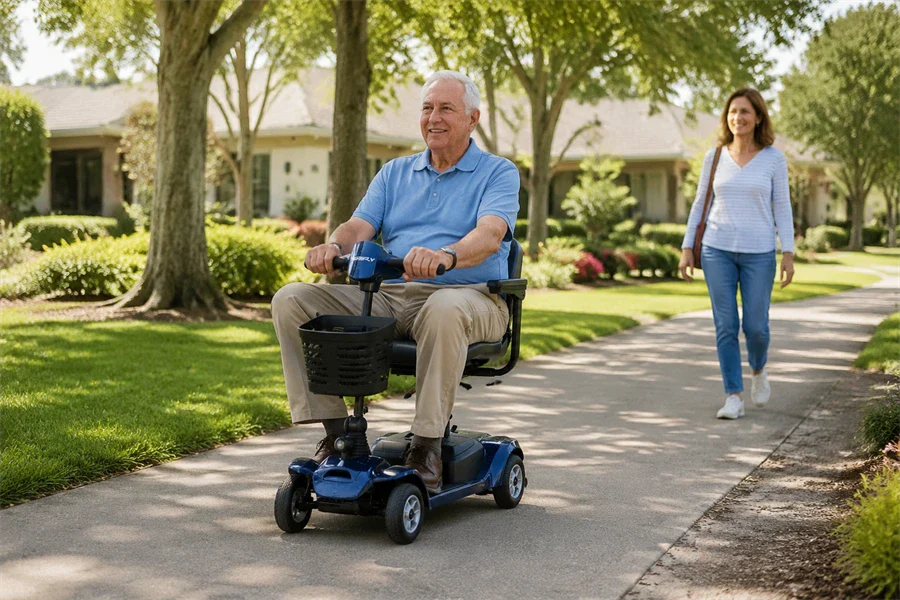
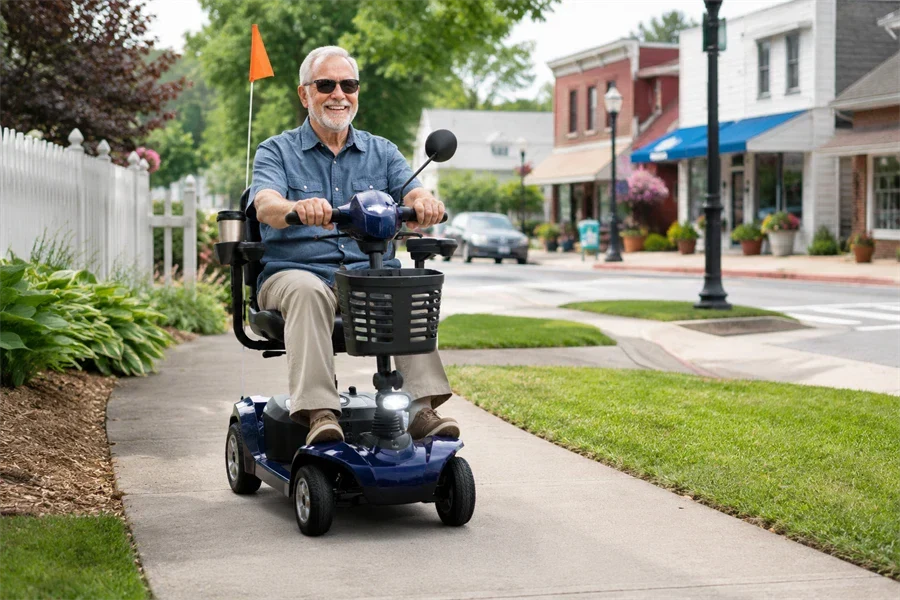
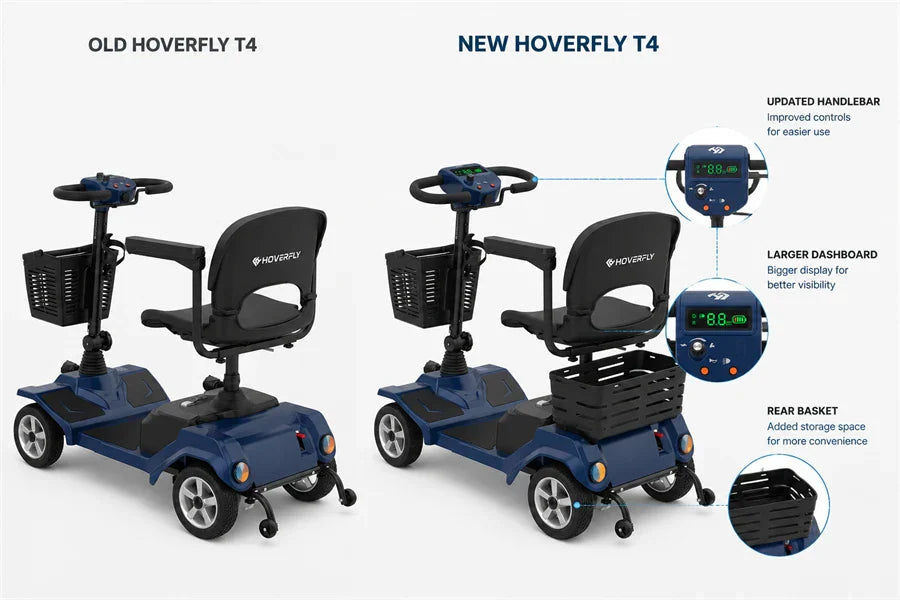
If you feel pain or fatigue after walking a short distance, a mobility scooter can make outdoor trips easier. It helps reduce strain on the knees, hips, and hands while allowing the user to travel farther. We use ergonomic tillers (steering columns) and easy-to-use throttle controls that don't require a tight grip, and a foldable frame that is simple to store or load into a car. Hoverfly's foldable mobility scooters are designed for everyday portability and comfort. Features such as swivel and adjustable seating, stable, wide-set wheels, and simple forward/reverse controls help make riding steadier and more comfortable, while select models add slope speed control and rollover protection for extra confidence. Before buying, check each model's total weight, heaviest piece, and vehicle fit to make sure it matches the user's strength and daily needs.
7. Electric Trike with Pedal Assist

If a senior still wants to ride for exercise or fun, an electric trike can make riding easier on stiff joints. Its three-wheel design adds stability, while the low step-through frame reduces the need to lift the leg high when getting on. Pedal assist gives gentle power when the knees or hips feel tired. Hoverfly's ET1 electric trike supports joint-friendly riding with an ultra-low step-through frame, a stable three-wheel design, a rear differential system for smoother turns, and a 1000W peak motor that helps reduce pedaling strain. A wide cushioned seat with a backrest adds support for longer errands and leisure rides.
Comparison Table: Best Mobility Aids by Joint and Use Case
| Aid | Best For | Typical Weight Capacity | Price Range | Arthritis-Friendly Score |
|---|---|---|---|---|
| Ergonomic Cane | Mild knee or hip arthritis | 250–300 lbs | $20–$60 | ★★★☆☆ |
| Rollator with Loop Brakes | Knee, hip, and hand arthritis | 300 lbs | $120–$300 | ★★★★★ |
| Lift Chair | Knee, hip, severe RA | 325–500 lbs | $600–$2,000 | ★★★★☆ |
| Raised Toilet Seat | Knee, hip arthritis | 300 lbs | $25–$80 | ★★★★☆ |
| Reacher Grabber | Spine, hand, knee arthritis | n/a | $10–$30 | ★★★★☆ |
| 3- or 4-Wheel Mobility Scooter | Knee, hip, multi-joint | 300–400 lbs | $450–$2,000 | ★★★★★ |
| Electric Trike with Pedal Assist | Mild arthritis, active seniors | 250–400 lbs | $1,200–$2,500 | ★★★★☆ |
Joint-Protection Tips When Using Any Mobility Aid
- Use the cane on the opposite side. Hold it opposite the painful leg to reduce pressure on that joint.
- Check the specifications. Confirm weight capacity, handle height, brake type, seat size, and turning radius before choosing.
- Warm up first. Gentle movement for a few minutes can ease stiffness before walking or riding.
- Replace worn parts. Change cane tips, walker feet, and brake pads when they lose grip.

How to Pay for Mobility Aids
Medicare Part B covers durable medical equipment, including manual wheelchairs, walkers, and certain power scooters when prescribed as medically necessary. The full coverage rules are explained on Medicare.gov.
Medicaid coverage varies by state and may extend further than Medicare. HSA or FSA funds generally apply to qualifying mobility equipment with a Letter of Medical Necessity. Veteran benefits through the VA cover most prescribed mobility devices, and many retailers offer interest-free financing for shorter terms.
FAQs
Will using a mobility aid make me dependent on it?
Not at all. This is a common myth. The right aid actually keeps you more independent by reducing your pain and fear of falling. For arthritis, the goal is to reduce pain and fall risk so the user can keep walking, shopping, or exercising without overloading painful joints.
Can seniors use mobility aids only during arthritis flare-ups?
Yes. Many seniors use a cane, rollator, scooter, or wheelchair only on painful days. This can be helpful for rheumatoid arthritis flares, morning stiffness, or longer outings when joints tire faster than usual.
What should seniors do if a cane or walker hurts their hands?
Switch to a softer, wider grip or choose a device with easier controls. Arthritic hands often do better with foam or gel handles, loop brakes, push-button locks, or a thumb-throttle scooter instead of squeeze-style controls.
Is it better to rent or buy a mobility aid?
Renting is better for short-term recovery or temporary flare-ups. Buying usually makes more sense when arthritis pain affects daily walking, transfers, or errands for several months or longer.
Who can help choose the right mobility aid for arthritis?
An occupational therapist or physical therapist is the best person to ask. They can check balance, hand strength, joint pain, home layout, and device height so the aid fits the user safely.
Conclusion
The right mobility aid for arthritis depends on the painful joint and the level of support needed. Look for arthritis-friendly features that make daily use easier, such as soft grips, easy brakes, and stable seating. If the goal is to stay active outdoors, this guide to tricycles for adults with disabilities explains how a three-wheeled design can offer greater stability. Before buying a larger aid, ask an occupational therapist to check the fit and safety.
Medical disclaimer: This article is informational and not a substitute for medical advice. Consult a healthcare provider or licensed occupational therapist before selecting a mobility aid.



Leave a comment
All comments are moderated before being published.
This site is protected by hCaptcha and the hCaptcha Privacy Policy and Terms of Service apply.