
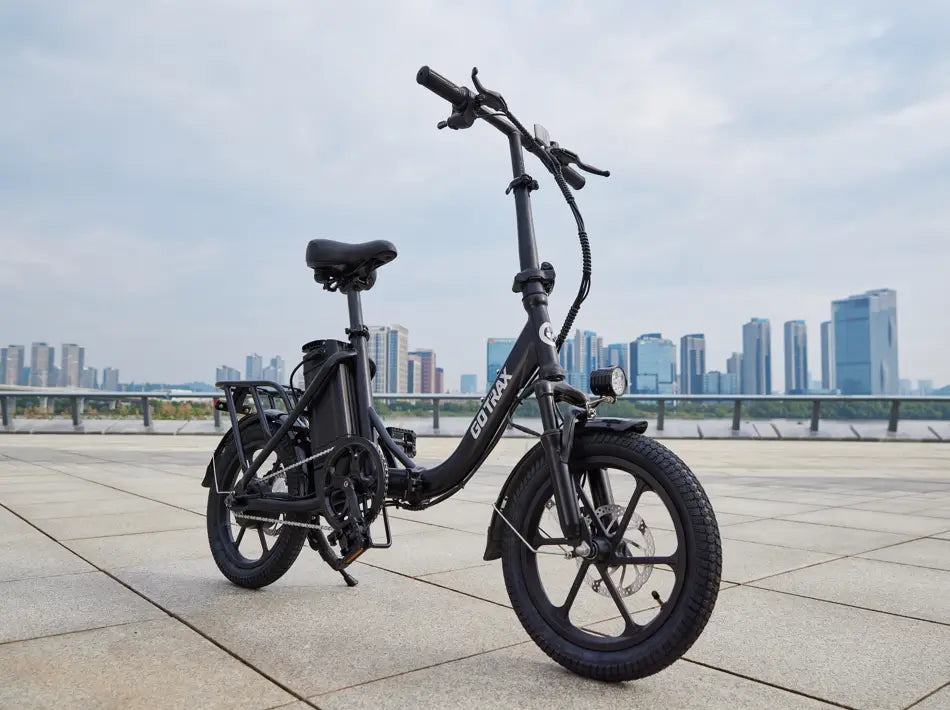
Picking the right electric bike class is the starting line for discovering the ride that fits your daily groove.
Speed limits, motor characteristics, and rights vary by class, and it is therefore wise to know the differences between them. There are classes that are devoted to safety and family ride and others that concentrate on commuting or high-speed performance.
Since electric bikes are becoming increasingly popular, we hope the class definitions will allow them to choose the right kind of bike, whether they prefer a smooth ride through the city, a leisurely weekend adventure, or a more extreme ride off the track.
What are the Electric Bike Classes?
Electric bike classes categorize different electric bikes according to their speed, motor power, and use. Such classes assist the government in controlling the areas where e-bikes can be used and help buyers in how to know what they are purchasing.
In most nations, there are Class 1, Class 2, and Class 3. Additional and more advanced models have been developed, like Class 4 and off-road-specific e-bikes, thus providing more choices to riders than ever.
Why Should Classes Count?
- They also define whether your e-bike can ride on a trail, bike lanes and/or streets.
- They assist you in keeping safe, avoiding fines through obedience to the local laws.
- They present you with a clear picture of the kind of riding experience that you are going to undergo.
Classify them as categories to cars - just as sedans, SUVs, and trucks all serve their own purpose, so too can electric bikes do so.
Class 1 Electric Bikes: Simple and Legal Everywhere
Class 1 electric bikes have been described as the easiest to use. Their bikes only use pedal assist, meaning that they are supplied with power as you pedal, but will not propel the bike without your peddling.
Key Features:
- Top Speed: 20 mph.
- Pedal assist only.
- Throttle: Not supplied.
- Ideal Application: To use during the commute, family rides and leisure rides.
Benefits:
- Mostly legal, not in bike paths or bike trails.
- Comparatively cheap as compared to high classes.
- Feels natural, just a normal bike which is easier.
- Excellent workout and health.
Who Should Choose Class 1?
If you are new to e-bikes, or you want a vehicle that feels as close to that of a regular bicycle, but one that offers self-help, Class 1 bikes are your best bet. It is also ideal when it is family rides, weekend excursions on the roads or a stress-free ride to work.
As an example, picture yourself on your bike going up an incline with the sensation your bike is gliding without real effort on your part, the ease of Class 1.
Class 2 Electric Bikes: Have a Throttle to Ride Easily

Class 2 e-bikes have a pedal-assist and throttle feature. This also allows you to choose the power assistance mode of pedaling or use the throttle to get up to speed without peddling at all.
Key Features:
- Top Speed: 20 mph.
- Throttle-assisted and sometimes pedal-assisted.
- Twister or thumb-type throttle.
- Good Use: Light-duty and urban transport.
Benefits:
- It's adjustable to choose pedal-free or not.
- Wonderful to use in short distances and recreational travel.
- Assistive to mobility-impaired riders.
- Simple to operate for a beginner.
Who is Suited to Class 2?
In case you need a bike to adjust regarding effort and relax, Class 2 is great. It is perfect to people who are willing to exercise but at times just wish to cruise.
Situation: You have had a tiring day, and you still have to ride home after work-just accelerate with the throttle system and get home without any strain.
Electric Bikes Class 3: Faster Version of Commuter Bike
Class 3 electric bikes are fast and efficient. These use pedal assist overload only, but let you exceed Class 1 or Class 2 speeds.
Key Features:
- Top Speed: 28 mph.
- High-speed pedal assist.
- Throttle: There is no throttle.
- Best application: Commuting, long-distance and in city travel.
Benefits:
- Faster Commuting, ideal city travel.
- Enables you to keep in pace with car traffic.
- Good for long distances and the shorter ones, poco a poco.
- They tend to be constructed with more powerful motors and larger batteries.
Who is Class 3 Suitable for?
Class 3 suits commuters: those who need to ride to work or places and do not want to waste time on traveling there and back. It is a city street model, not a trail lover, but it is best suited to a professional and is fast and efficient.
New Electric Bike Classes
With the ever-rising e-bike technology, new classes are now evident to suit those who love adventures and those who require high-performance bikes.
Electric Bikes Class 4
- Max speed: more than 28 mph.
- Pedal-assisted + throttle.
- Where you can ride: Where it is possible to ride: restricted zones; may need a license or registration.
- Best suited for: Riders seeking a motorcycle style, power and speed.
These bikes are fast, and in most cases, they look like mopeds or small motorcycles. They are fun but they are not everywhere legal without special permits.
Electric Bikes Off-Road

Quite often, off-road e-bikes do not fit into classic categories. They are made adventurous and are common among outdoor riders.
Key Features:
- Extra-powerful motors.
- Wide, thick tires, off-road tires.
- Good suspension to bumps and trails.
- Long-lasting batteries.
Off-road bikes are the most suitable ones for those who like the mountains and camping or extending their experiences of enjoying nature with an electric assist.
Comparing Different Electric Bike Classes
Here is a bit of a breakdown so you can compare them:
| Class | Top Speed | Pedal Assist | Throttle | Where You Can Ride | Best For |
| Class 1 | 20 mph | Yes | No | Bikeways, trails | Beginners, families |
| Class 2 | 20 mph | Sometimes | Yes | Some trails, streets | See-through riders, errands |
| Class 3 | 20 mph | Yes | No | Streets, bike lanes | Fast commuters |
| Class 4 | 20 mph | Yes | Yes | Restricted areas | Speed lovers |
| Off-Road | Varies | Yes | Often | Trails, outdoors | Adventurers |
Which type of Electric Bike Class Is Right for You?

The best electric bike category relies on the needs and lifestyle.
- Daily commuter? Class 3 provides you with speed and efficiency.
- Weekend fun rider? Class 1 is a safe and simple one.
- Errands or leisurely riding capability? Class 2 contains the ability to use a throttle at any time.
- Adventure outings? Off-road e-bikes provide you with the power of the trails.
- Speed? Class 4 is on-bike-level quick.
No specs alone will solve your choice. Look at your paths, your frequency, and the comfort you want from your ride. Pick the bike class that fits your day-to-day life.
Ideal Tips for Choosing the Best Electric Bike
When purchasing, it is important to remember:
- Check with Local Laws: The use of Class 2 or Class 3 bikes is limited in some areas on the trails.
- Plan Your Route: In case your rides are mostly on trails, then you should not avail Class 3.
- Consider Battery Range: Long-distance riders require more battery.
- Paying Attention to Comfort: Frame shape, seat, and handlebar shape are also important.
- Ensure After Sales Support: Go for brands that provide you with warranties and after-sales support (as it is provided by our company).
Closing Words
The trick to finding the most appropriate electric bike classes is learning your riding habits and aligning them with the appropriate category.
- Class 1 is safe and simple.
- Class 2 provides assistance with the throttle.
- Class 3 allows you to ride to work at a speed of up to 28 miles per hour.
- Class 4 brings the speed of a motorcycle.
- Off-road models open access to adventure.
We're confident every rider should have the ideal bike that best suits his or her way of life. It is this reason why our e-bikes are designed to keep up to speed with the newest classes and in the design of commuters, family, and adventure bikes.
Sitting in the right class would mean having the right experience. At Hoverfly, we believe in more than a purchase; you invest in a better ride, smoother, faster, and more enjoyable.



Leave a comment
All comments are moderated before being published.
This site is protected by hCaptcha and the hCaptcha Privacy Policy and Terms of Service apply.