
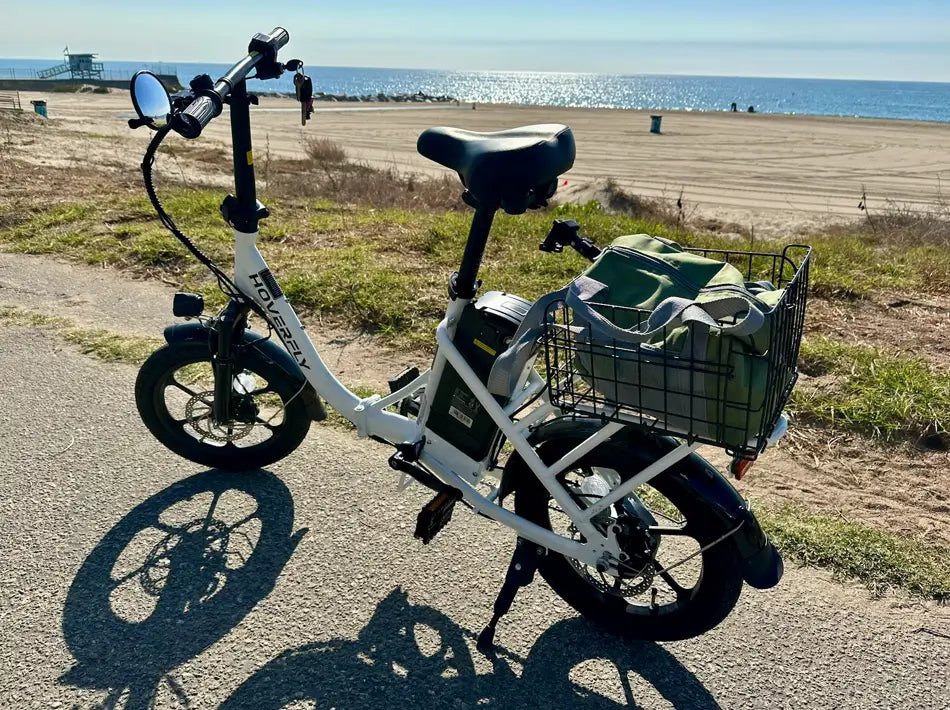
In most cases, you do not need a license to ride an electric bike. Standard low-speed e-bikes are usually treated like regular bicycles, not motor vehicles.
That said, licensing rules change when an e-bike becomes faster or more powerful. Some models fall under moped or motorcycle laws, depending on speed, motor output, and where you ride.
In this guide, we break down electric bike license rules, explain how U.S. e-bike classes work, and show you how to tell if your e-bike needs a license or not.
Do You Need a License for an Electric Bike? (Laws Explained)
Regulations are based on velocity, horsepower, and place. In most countries, low-speed electric bikes do not require a license. But, fast, powerful models that exceed 28 mph (45 km/h) are in motorcycle or moped laws; hence, you require a license.
The majority of countries categorize e-bikes by their wattage (motor power) and maximum speed. When the bike does not exceed those limits, it is possible to ride around without a license. Once it exceeds that, then it would need licensing, registration, and even insurance.
License Rules for Electric Bikes in the USA (By Class)
In the United States, most electric bikes do not require a license, as long as they stay within federal and state e-bike limits. These rules are based on the three-class system used by most states.
Class 1 Electric Bikes (No License Required in Most States)
Class 1 e-bikes use pedal assist only and stop providing motor assistance at 20 mph. Because they function much like traditional bicycles, nearly all states allow riders to use them without a license.
Class 2 Electric Bikes (Usually No License Required)
Class 2 e-bikes include a throttle and can move without pedaling, but they are still capped at 20 mph. In most states, they are treated the same as Class 1 bikes and do not require a license.
Class 3 Electric Bikes (Rules Vary by State)
Class 3 e-bikes provide pedal assistance up to 28 mph. While many states still do not require a license, riders are often subject to additional rules, such as helmet use and minimum age limits (typically 16). A small number of states may apply registration or licensing requirements.
Read more to know Electric Bike Classes. One should check state laws. As an example, California has no license required for Class 3 e-bikes, although the riders are obligated to use a helmet. Most New York classes do not require licensing, but the age and helmet regulations are in place.
Rules of Insurance, Registration, and Age
Although you might not necessarily require a license to ride an electric bike, you might be required to obey other significant guidelines. These normally include insurance, registration, and requirements on age.

Insurance
Most typical e-bikes do not need insurance, though they are still advised to use insurance as a way of protecting themselves and being safe.
It may include theft, accidents, or losses caused to others when riding. Where available, speed-pedelecs, which are faster e-bikes, must be insured.
Registration
Registration is generally applied to high-power or high-speed e-bikes that surpass local regulations. Whenever this happens, they are handled as mopeds and should have a plate. Even in countries like China, regular e-bikes are supposed to be registered to enhance road safety.
Age Rules
Age restrictions ensure that riders are of a certain age when it comes to using e-bikes. In the UK, 14 is the minimum age, whereas in most states in the US, the minimum age is 16 for Class 3 bikes. These regulations contribute to the safety of young riders and the minimization of the risk of accidents.
How to Know If Your E-Bike Requires a License
You do not always know whether you are going to need a license, but you can have a quick look at a couple of easy questions:
- Motor power (Watts): A license is normally necessary above 750W.
- Top speed: When your bike exceeds a speed of 20-28 mph, it usually becomes subject to motorcycle laws.
- Local laws: There are various rules in each country or state, and therefore, it is always wise to ask your local transport office.
- Details of manufacturer: The majority of e-bikes have labels with speed and motor power. This assists you in understanding whether your bike qualifies as a non-license or not.
How to Get a License for Your E-Bike
Provided that you have licensed your e-bike, which falls under the category of those that require a license, it is usually easy:
- Check requirements: Learn the details of your country or state.
- Apply for a license: This will be, in most instances, a learner permit or motorcycle license.
- Pass a test: In certain jurisdictions, a short written test or a simple test on riding may be required.
- Register your bike: You need to do the registration process and be assigned a number plate for your bike.
Benefits of Riding an Electric Bike with a License
A ride with an electric bike under license is associated with a variety of advantages that allow your trips to be more comfortable and secure:
- More aggressive rides: A license usually allows you to ride faster e-bikes to take longer journeys.
- Expanded access: Licensed riders will be allowed to ride on roads that are restricted to regular e-bikes.
- Additional protection: This is usually covered by registration and insurance, which cover loss of goods due to theft or accidents.
- Peace of mind: You are able to ride around and do not have to think that you are going to break the law.
Safety and Road Etiquette with a License
Licensed e-bikes require special attention on the road, as it is even faster and can easily occupy the same lanes with vehicles. With safety first as a priority and respect for other people, riding will become much easier:
- Wear safety equipment: you wear a helmet and lights that keep you safe and visible.
- Follow traffic laws: It is important to obey road signals, speed limits, and road lanes at all times.
- Be predictable: Use hand signals and do not make sudden movements that will confuse drivers.
- Show respect to others: Allow pedestrians and use bike paths where possible.
Hoverfly: A Trusted Brand for Electric Bikes
We know that riders desire the comfort of knowing they are safe as they ride their bikes. We specialize in green technology, thus our bikes are green and not only reliable. Our e-bikes are designed to last long and provide comfort when you ride, with strong and stylish designs.

Final Thoughts
For most riders, the answer is no. Standard low-speed electric bikes can usually be ridden without a license, just like regular bicycles.
Things change when an e-bike becomes faster or more powerful. Models that exceed common speed or motor limits may fall under moped or motorcycle rules, which can mean licensing, registration, and insurance.
Before you ride, check your local regulations and confirm your e-bike’s class, speed, and motor rating. It only takes a few minutes, and it can save you fines or legal trouble later.
At Hoverfly, we believe that riding an electric bike should be easy, fun, and stress-free. This is why we offer high-quality e-bikes, which are of international standard in terms of safety and which facilitate your daily ride.
FAQ
What is a street-legal electric bike?
In the United States, street-legal ebikes usually fit within Class 1, Class 2, or Class 3 definitions and do not exceed 750W of motor power.
Street-legal e-bikes can be ridden on public roads and bike lanes, though access to sidewalks or trails may vary by city or state.
What is the new law for e-bikes in California?
California continues to follow the three-class e-bike system, and no major licensing changes were introduced for standard e-bikes (in 2025).
- Class 1 and Class 2 e-bikes: No license or registration required
- Class 3 e-bikes: No license required, but riders must be 16 or older and wear a helmet
Can I ride my e-bike on the road?
Yes, in most cases you can ride an electric bike on the road.
E-bikes that meet legal class definitions are allowed on public roads and are expected to follow the same traffic laws as bicycles.
If an e-bike exceeds speed or power limits and is classified as a moped or motorcycle, road use may require a license, registration, and insurance.
Do ebikes need to be registered in California?
No, standard electric bikes do not need to be registered in California.
Class 1, Class 2, and Class 3 e-bikes are exempt from DMV registration, license plates, and insurance requirements.
Only electric bikes that exceed legal limits and are reclassified as motor-driven cycles or mopeds must be registered.




Leave a comment
All comments are moderated before being published.
This site is protected by hCaptcha and the hCaptcha Privacy Policy and Terms of Service apply.