
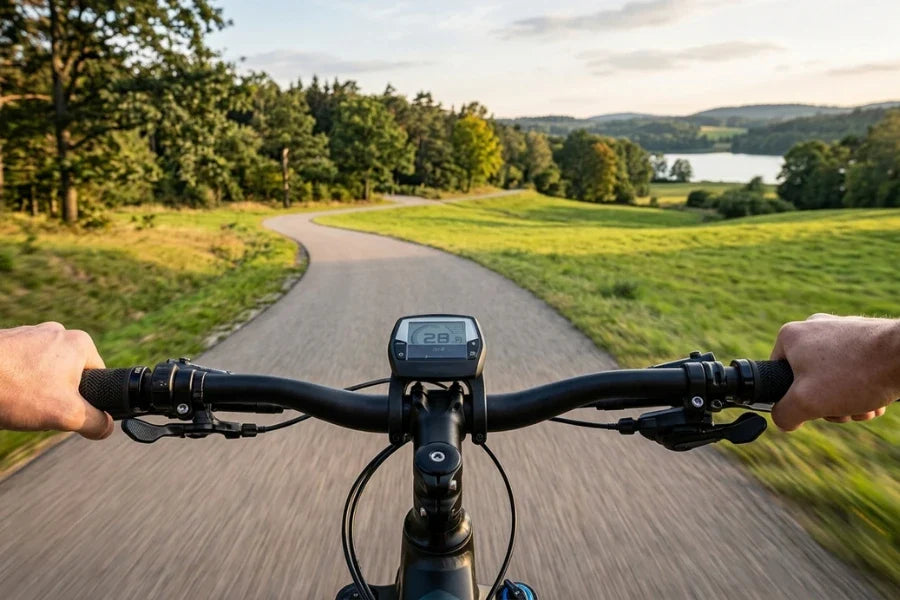
A 1000W electric bike can reach 28 to 35 mph on flat ground. That’s fast enough to keep pace with city traffic and outperform most 500W or 750W e-bikes on a hill.
Your actual speed, however, depends on several things: rider weight, terrain, battery voltage, tire type, and wind. Some riders cruise at 30 mph with ease. Others top out around 25 mph under heavier loads or on rough roads.
This guide covers real-world 1000W ebike speeds, what affects them, how they compare to 750W and 500W, and the legal rules you should know.

Real-World 1000W Ebike Speeds
Your actual speed changes with every ride. A flat road, a steep hill, and a gravel trail all give you very different numbers. Here’s what most riders experience with a 1000W motor:
| Riding Condition | Expected Speed |
|---|---|
| Flat paved road | 28–35 mph |
| Moderate uphill (5–8% grade) | 18–25 mph |
| Steep uphill (10–15% grade) | 10–18 mph |
| Off-road / gravel trail | 20–28 mph |
| Downhill (with gravity) | 30–40+ mph |
Note: Most 1000W ebikes reach 28–35 mph on flat roads, but real-world speeds depend on terrain, rider weight, and battery voltage.
On flat pavement, most 1000W e-bikes cruise comfortably around 30 mph. That’s the sweet spot where the motor still has some power reserve and the battery lasts a reasonable distance.
Going uphill is where 1000W power really matters. A moderate hill drops your speed into the low 20s. A steep climb can push it down to 10–15 mph. Still, a 1000W motor handles grades that would slow a 500W or 750W bike to a crawl.
Off-road trails cost you a few mph due to loose surfaces and tire drag. Fat tire models trade some top speed for better grip—usually a smart trade on gravel, sand, or dirt.
One thing to keep in mind: downhill speeds can easily exceed 35 mph. At those speeds, good disc brakes matter more than motor power. Always make sure your braking system is in solid condition.
5 Factors That Change Your Top Speed
Two riders on the same 1000W ebike can get very different top speeds. Here’s why:
1. Battery Voltage
Battery voltage has a direct impact on how fast your motor can spin. Most 1000W ebikes run on a 48V battery, which delivers a top speed around 28–34 mph. Some high-end models use a 52V system and can push 35–38 mph.
Think of voltage as the “ceiling” for your speed. Higher voltage means a higher ceiling. If speed is your priority, a 52V 1000W setup will give you more than a 48V one.
2. Rider Weight
This is the factor most people underestimate. A rider weighing 160 lbs will naturally go faster than a rider weighing 250 lbs on the same bike.
A 2025 study from JEECS on electric bicycle performance found that as rider weight increases, average current consumption rises, reducing both travel distance and riding time. At 60 kg, the test bike traveled 24.32 km; at 80 kg, that dropped to 19.76 km—with average current nearly doubling.
If you carry cargo—groceries, a backpack, or gear—that adds load too. More weight means more drain and less speed.
3. Motor Type: Hub vs Mid-Drive
Not all 1000W ebike motors are created equal:
- Hub motors sit inside the wheel and deliver power directly. They’re simpler, cheaper, and great on flat roads. But they lose efficiency on hills because they can’t use the bike’s gears.
- Mid-drive motors sit at the center of the frame and work through the bike’s gears. They’re better on hills and rough terrain because they can shift to a lower gear for more torque. They tend to cost more, though.
For flat-road speed, hub motors work fine. For hilly areas or off-road riding, a mid-drive 1000W motor will outperform a hub motor of the same wattage.
4. Tire Type and Pressure
Tires affect top speed more than most riders realize. Street tires (thin, smooth) have less rolling resistance and let you reach higher speeds on pavement. Fat tires (4 inches or wider) grip better on sand, snow, and trails but create more drag on smooth roads.
Tire pressure matters too. Under-inflated tires slow you down. Keep your tires at the manufacturer’s recommended PSI*, and you’ll get the most out of your motor.
*PSI: air pressure inside the tire
5. Terrain and Wind
A strong headwind can knock 3–5 mph off your top speed. Gravel and dirt roads add resistance. Even small inclines that don’t look like “hills” still make your motor work harder.
In short: flat pavement, no wind, proper tire pressure = fastest ride. Everything else takes a little bit away.
Are 1000W Ebikes Legal?
This is the part many buyers skip—and it can lead to real problems. In the United States, e-bikes are classified into three main categories:
- Class 1: Pedal-assist only, up to 20 mph. No throttle.
- Class 2: Throttle-assisted, up to 20 mph.
- Class 3: Pedal-assist, up to 28 mph. No throttle on most models.
All three classes have a federal motor power limit of 750W. A 1000W motor exceeds that limit, so it typically falls outside standard e-bike classes.
Some states, like California, strictly enforce the 750W limit on public roads and bike paths. Other states are more relaxed. And if you ride off-road or on private property, power limits generally don’t apply.
The bottom line: Before buying a 1000W e-bike, check your state’s specific e-bike laws. If legal compliance matters to you, a 750W model keeps things simple. You can ride on bike paths, public roads, and trails without worrying about tickets or registration.
1000W vs 750W vs 500W: Which Do You Actually Need?
Before spending extra money on a 1000W ebike, it’s worth asking: do you actually need that much power? Here’s a side-by-side look:
| 500W | 750W | 1000W | |
|---|---|---|---|
| Typical Top Speed | 20–25 mph | 25–28 mph | 28–35 mph |
| Hill Climbing | Struggles on steep hills | Handles moderate hills well | Climbs steep hills with power to spare |
| Best For | Flat city commuting, light riders | Most commuters, moderate hills | Off-road, heavy riders, steep terrain, cargo |
| Battery Drain | Low | Moderate | Higher |
Who actually needs 1000W? Riders who regularly tackle steep hills, weigh over 220 lbs, carry heavy cargo, or ride off-road. If your commute includes serious elevation changes, the extra power makes a real difference.
Who should save money with 750W or less? Riders on mostly flat terrain, lighter riders, and city commuters. A good 750W e-bike handles 90% of what most people need. Even a reliable 500W model is more than enough for flat streets and short commutes.

Looking for the Perfect Balance of Speed and Legality?
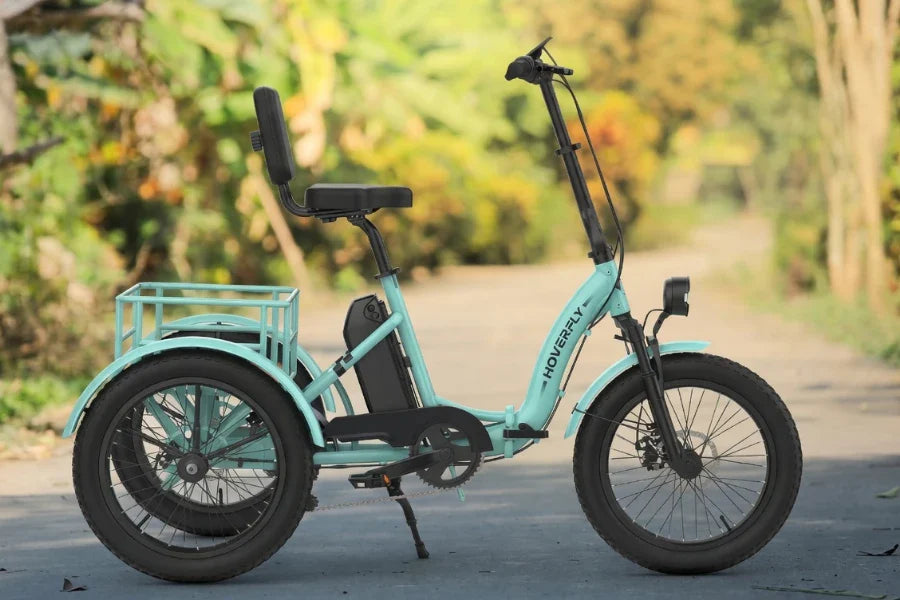
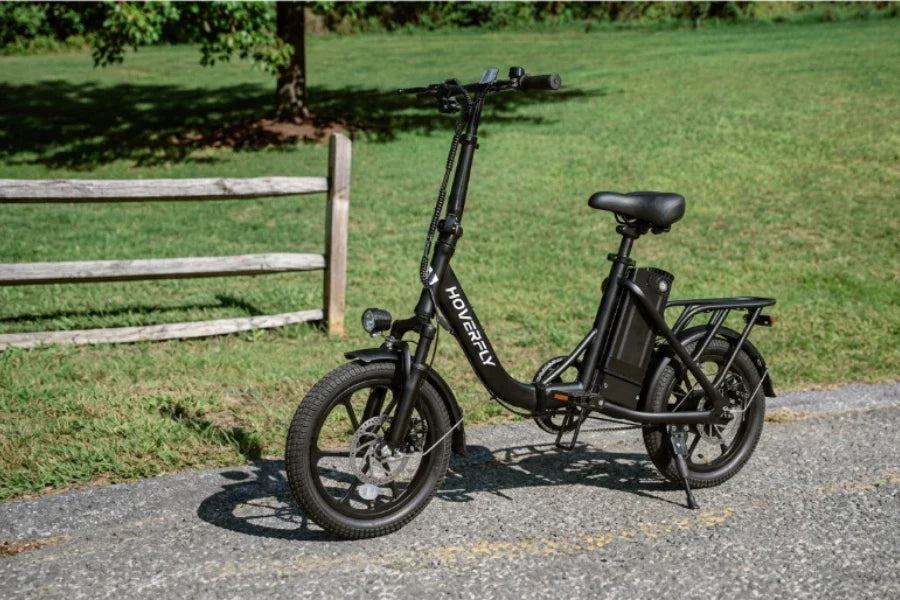
If your daily routes consist of city streets, bike paths, and moderate hills, you don’t need the legal headache or the extra weight of a 1000W motor. The Hoverfly Ourea features a highly efficient 750W peak motor designed for real-world commuting. It delivers a 40-mile pedal-assist range—meaning you can tackle your entire work week on a single charge without breaking a sweat, all while staying 100% compliant with local e-bike laws.
FAQs
How fast does a 1000W ebike go uphill?
On a moderate hill (5–8% grade), expect 18–25 mph. On a steep hill (10–15% grade), speeds drop to 10–18 mph. A mid-drive motor handles hills better than a hub motor because it can use the bike’s gears for more torque. Rider weight plays a big role too—heavier riders will see lower uphill speeds.
Does a 1000W motor drain the battery faster?
Yes, more power means more energy consumption. On full throttle, a 1000W motor will drain your battery noticeably faster than a 750W or 500W motor. To extend your range, use pedal-assist mode instead of full throttle, and avoid running at max speed for long stretches. A good 48V 15–20Ah battery typically gives 30–50 miles depending on how you ride.
Is 1000W too much for city riding?
Yes, for most city riders on flat streets, 1000W is more than you need. A 750W or even a 500W motor handles city commuting just fine and keeps you within legal limits. The 1000W advantage really shows up on steep hills, heavy cargo loads, and off-road terrain. If your city has lots of hills, it could be worth it, but otherwise you’re paying extra for power you won’t use.
What’s the real difference between 750W and 1000W?
About 3–5 mph more top speed, noticeably stronger hill climbing, and faster acceleration. A 1000W motor also handles heavier rider weights and cargo better. The trade-offs are higher cost, more battery drain, a heavier bike, and potential legal restrictions. For most daily riders, a quality 750W e-bike delivers the best balance of speed, range, and legality.
Can I ride a 1000W ebike on bike paths?
In most U.S. states, no—at least not legally. Since 1000W exceeds the 750W federal limit for e-bikes, it often can’t be used on bike paths restricted to Class 1, 2, or 3 e-bikes. Some states allow higher-powered e-bikes on roads but not on multi-use trails. Always check local rules before riding, and consider a legal-compliant e-bike if you ride on shared paths regularly.



Leave a comment
All comments are moderated before being published.
This site is protected by hCaptcha and the hCaptcha Privacy Policy and Terms of Service apply.