
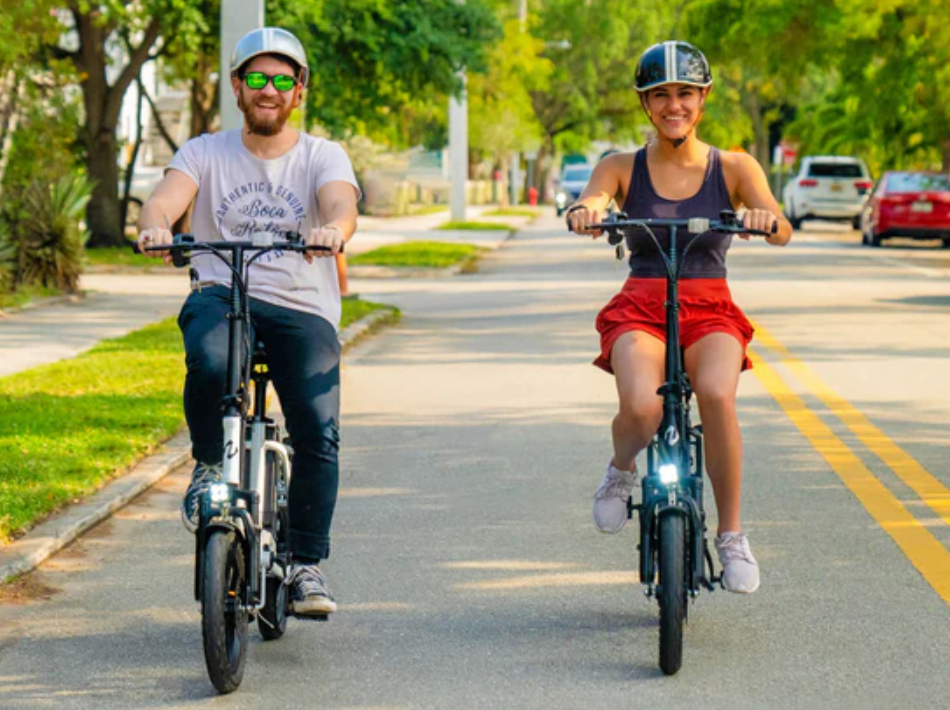
The best fat tire eBike in 2026 isn’t the most powerful one—it’s the one that fits how you actually ride.
If you commute in the city, store your bike in an apartment, or ride a mix of pavement and trails, raw motor numbers matter far less than comfort, range, storage space, and everyday usability. A bike that looks impressive on paper can quickly feel bulky, awkward, or unnecessary in real life.
In this guide, we break down what truly defines a good fat tire eBike in 2026, what has meaningfully improved (and what hasn’t), and how different riding styles map to different bike designs—from full-size adventure models to compact, foldable options like Hoverfly’s fat tire lineup.
By the end, you’ll know exactly which type of fat tire eBike makes sense for your daily riding—without overbuying power you’ll never use.
Quick Answer: Which Fat Tire eBike Is Right for You?
The fastest way to choose a fat tire eBike is to match it to how and where you ride most. Use the guide below to narrow your options before comparing specific models.
- City Commuting: Choose a fat tire eBike with moderate motor power, smooth pedal assist, and a reliable 40–60 mile range for daily riding and easy storage.
- Trail Riding: Look for strong torque, aggressive tire tread, and front or full suspension to handle dirt paths, roots, and loose terrain.
- Beach or Snow Riding: Prioritize wide tires that run at low pressure, corrosion-resistant components, and high torque for soft surfaces.
- Cargo & Utility Use: Pick a bike with a high payload rating, sturdy racks, responsive brakes, and throttle control for easy starts under load.
- Adventure Touring: Go with a large battery, comfortable geometry, and dependable components for long-distance rides on mixed terrain.
Once you know which category fits your riding style, choosing the right model becomes much easier.
What Is a Fat Tire eBike?

A fat tire eBike is an electric bike built for stability and comfort, thanks to its wide tires and motor-assisted power. Those oversized tires—usually around 4 to 5 inches wide—sit flatter on the ground, which helps the bike feel planted instead of twitchy.
Compared to standard commuter eBikes, fat tire models give up a bit of nimbleness in exchange for better balance and control. You’ll notice the difference most on rough pavement, gravel paths, sand, snow, or poorly maintained roads, where thinner tires tend to struggle.
Best Fat Tire eBikes for Different Riding Needs
Once you know your riding style, the next step is choosing a model that actually fits how you ride. Below are five standout fat tire eBikes for 2026, each matched to a specific type of rider and real-world use.
1. Aventon Aventure 3: Best Overall Fat Tire eBike

The Aventon Aventure 3 strikes a strong balance between power, comfort, and everyday usability. Its torque sensor delivers smooth, natural pedal assist, so the bike feels responsive without being jerky, even in stop-and-go riding. A sturdy frame and wide tires help it stay stable on rough pavement and uneven paths.
Best for: Mixed riding, including daily commuting and weekend exploring.
Why it stands out: Natural pedal assist, confident power delivery, and well-rounded performance on multiple surfaces.
Not ideal for: If your riding is mostly city commuting, much of the cost goes toward off-road features that rarely matter day to day.
2. Lectric XPeak 2: Best Value for Money

The Lectric XPeak 2 delivers strong performance at a more accessible price. It offers a powerful motor and expandable battery options, making it a practical option for riders who want solid range and payload capacity without overspending.
Best for: Riders who want versatility on a moderate budget.
Why it stands out: High payload capacity, strong motor output, and flexible battery options.
Not ideal for: If your riding is mainly short commutes and errands, some of its power and load capacity may be more than you actually need for the price.
3. Hoverfly Nephele Foldable Electric Bike: Best Compact All-Around Option

Hoverfly Nephele Foldable Electric Bike is designed for riders who want fat tire stability without the bulk of a full-size frame. Foldable models like the Hoverfly Nephele use 16-inch fat tires, making them easier to store while still offering solid grip on rough pavement, sand, or light snow.
Best for: City riders who want fat tire capability with easy storage
Why it stands out: Foldable design, grippy fat tires, removable battery, and built-in lighting.
If you live in an apartment, travel with your bike, or have limited storage space, Hoverfly offers one of the most practical fat tire eBike setups available.
It’s not built for aggressive downhill trails, but for daily riding and mixed surfaces; it’s far easier to live with than a full-size fat tire bike.
4. Velotric Nomad 2: Best for Comfort

The Velotric Nomad 2 is built with comfort in mind. Its relaxed riding position and soft suspension help reduce fatigue, especially on longer rides or rough urban streets.
Best for: Riders who prioritize comfort on extended trips.
Why it stands out: Plush ride feel, smooth power delivery, and rider-friendly ergonomics.
Not ideal for: If you prefer a sporty or responsive ride, you may end up paying for comfort features that don’t add much value to your daily riding.
5. Mokwheel Basalt 2.0: Best for Adventure & Camping

Designed for rough terrain and off-grid riding, the Mokwheel Basalt 2.0 handles dirt roads, gravel paths, and backcountry routes with confidence. Its rugged frame and trail-ready setup suit riders who spend more time off pavement.
Best for: Adventure riders and camping trips.
Why it stands out: Tough construction, off-road stability, and long-range capability.
Not ideal for: For everyday city commuting, much of its price goes toward rugged adventure features you might only use occasionally—if at all.
Key Benefits of Fat Tire eBikes in 2026
Fat tire eBikes aren’t just about looks or oversized wheels. Their biggest advantage is how forgiving and confidence-inspiring they feel in everyday riding.
- Better stability on rough surfaces: Wide tires spread your weight over a larger contact area, so the bike feels steady on cracked pavement, gravel paths, and uneven roads where narrow tires tend to wander.
- More comfort without relying on suspension: The extra air volume in fat tires absorbs small bumps and vibrations, which means less hand, wrist, and back fatigue on longer rides.
- True all-season versatility: One bike can handle pavement during the week and gravel, grass, sand, or light snow on the weekend—no need to swap bikes as conditions change.
- Stronger traction at lower speeds: Running fat tires at lower pressure improves grip, especially when starting, turning, or climbing on loose or slippery surfaces.
- Refined systems in newer models: By 2026, fat tire eBikes will benefit from smoother motor tuning, more efficient batteries, and clearer displays that make power delivery feel more natural rather than abrupt.
Together, these benefits make fat tire eBikes especially appealing if you want one bike that feels stable, comfortable, and predictable across a wide range of riding conditions.
How to Choose the Best Fat Tire eBike for Your Riding Style

Choosing the right fat tire eBike starts with an honest look at how you actually ride. Terrain, distance, storage space, and comfort matter far more than chasing the biggest motor or battery on paper. Use the scenarios below to narrow your choice before comparing specs.
City Commuting
City riding puts daily comfort and practicality first. You’ll want a bike that feels smooth in traffic, easy to manage at stops, and simple to live with at home or work.
What to look for:
- A torque sensor for smooth, natural pedal assist
- Integrated lights and fenders for everyday use
- A realistic battery range of 40–60 miles
- Manageable weight and easy storage
Trail Riding
Trail riding demands stability and control on loose, uneven terrain. Power matters here, but traction and suspension matter just as much.
What to look for:
- Strong torque for climbing
- Aggressive tire tread
- Front suspension or full suspension for rough trails
- A motor setup that stays predictable at low speeds
Beach & Snow Riding
Sand and snow expose weak setups quickly. Traction, corrosion resistance, and controlled power delivery are critical on soft surfaces.
What to look for:
- Tires that perform well at low pressure (around 5–10 PSI)
- Rust-resistant hardware
- High torque for smooth starts on soft ground
Utility & Cargo Use
Once you start carrying gear, groceries, or tools, handling changes. Stability and braking become more important than top speed.
What to look for:
- A high payload rating
- Sturdy rear racks
- Reliable brakes (preferably hydraulic)
- Throttle support for easy starts under load
Adventure Touring
Long-distance rides reward comfort and efficiency. Small annoyances turn into big problems after several hours in the saddle.
What to look for:
- A large-capacity battery
- Comfortable saddle and relaxed geometry
- Ergonomic grips and handlebars
- Proven, durable components
Being realistic about your riding habits shortens the decision process and helps you avoid buying more bike than you’ll actually use.
Why Choose Hoverfly Fat Tire eBikes?

Hoverfly fat tire eBikes appeal to riders who want stability and grip without committing to a bulky, full-size frame. Models like the Nephele and H3 focus on everyday usability rather than extreme off-road performance.
Compact & Foldable Design
Hoverfly foldable electric bike folds down for easier storage, making it well-suited for apartments, shared spaces, and travel. They fit into car trunks more easily than traditional fat tire models, which is a major advantage for urban riders.
Traction & Stability on Multiple Surfaces
With wide 16-inch fat tires that can run at lower pressure, Hoverfly bikes stay stable on rough pavement, gravel, uneven roads, sand, and light snow. That added “float” improves balance and ride comfort in mixed conditions.
Removable Batteries & Practical Features
Removable batteries make charging flexible, whether you’re at home or at work. Built-in front and rear lighting improves visibility, and throttle support helps with stop-and-go riding.
Easy Handling for Everyday Use
Despite their fat tires, Hoverfly eBikes remain agile and manageable. They suit commuters, casual riders, and anyone who wants dependable performance without wrestling with an oversized frame.
Battery Range & Charging
In real-world riding, battery range depends on more than just the number printed on the spec sheet. Rider weight, terrain, tire pressure, and assist level all play a role.
Most fat tire eBikes in 2026 deliver 40–80+ miles per charge under normal use:
- City Riding: Longer range thanks to steady speeds and moderate assist levels.
- Off-Road Riding: Shorter range due to higher torque demands and softer terrain.
- Charging & Flexibility: Removable batteries make charging easier at home or work, and extended battery options are worth considering if you plan longer rides.
A realistic range estimate matters more than chasing the biggest battery available.
Common Mistakes to Avoid When Buying a Fat Tire eBike
Avoid these common pitfalls:
- Choosing based only on motor power
- Ignoring the overall bike weight
- Overlooking comfort features
- Buying for terrain you rarely ride
A bike that fits your real needs is always the better choice.
Best Fat Tire eBike Features to Look for in 2026

Modern fat tire eBikes often include clearer displays, built-in lighting, basic anti-theft features, and weather-resistant components. These upgrades improve daily usability and long-term reliability.
Final Thoughts: The Best Fat Tire eBike to Buy
The best fat tire eBike isn’t the most powerful—it’s the one that matches your riding habits, storage space, and comfort needs. When you focus on how and where you ride, the right choice becomes much clearer.
Hoverfly fat tire eBike lineup focuses on everyday commuting, compact storage, and light adventure riding, making it easier to find a bike that fits real life.
FAQs about Fat Tire eBikes
1. Is there a big difference between a 500W and a 750W eBike?
Yes. A 750W eBike offers more torque for hills and cargo, while a 500W model is lighter and more efficient for city riding.
2. What is the most reliable fat tire eBike?
Reliable fat tire eBikes focus on balanced motor output, durable components, and good battery management rather than extreme power.
3. Are fat bikes harder to pedal?
Yes, they require more effort on smooth roads due to higher rolling resistance, but feel easier on sand, snow, or rough terrain.
4. What are the disadvantages of a fat tire bike?
Fat tire bikes are heavier, less efficient on smooth pavement, and require more storage space than standard bikes.
5. Are fat tire eBikes suitable for beginners?
Yes. The added balance and grip often make them more confidence-inspiring.



Leave a comment
All comments are moderated before being published.
This site is protected by hCaptcha and the hCaptcha Privacy Policy and Terms of Service apply.